
On Chinatown
I’m a first generation Chinese American who grew up Houston, Texas. I went to college on the East coast (Southeast that is, don’t confuse me with the “Back East” crowd) to get away from my “traditional” Chinese parents. I majored in Organic Chemistry like all good pre-med Asians, made a quick stop over in Colorado to pick up a masters in history, volunteered a stint with Americorps, and then worked in bike shops. When I “grew up,” I had a brief taste of the good life as a suit wearing, big buck lawyer at a fortune 500 law firm in San Francisco. So how in the world, people ask me, did I end up being a neighborhood activist in San Francisco Chinatown?
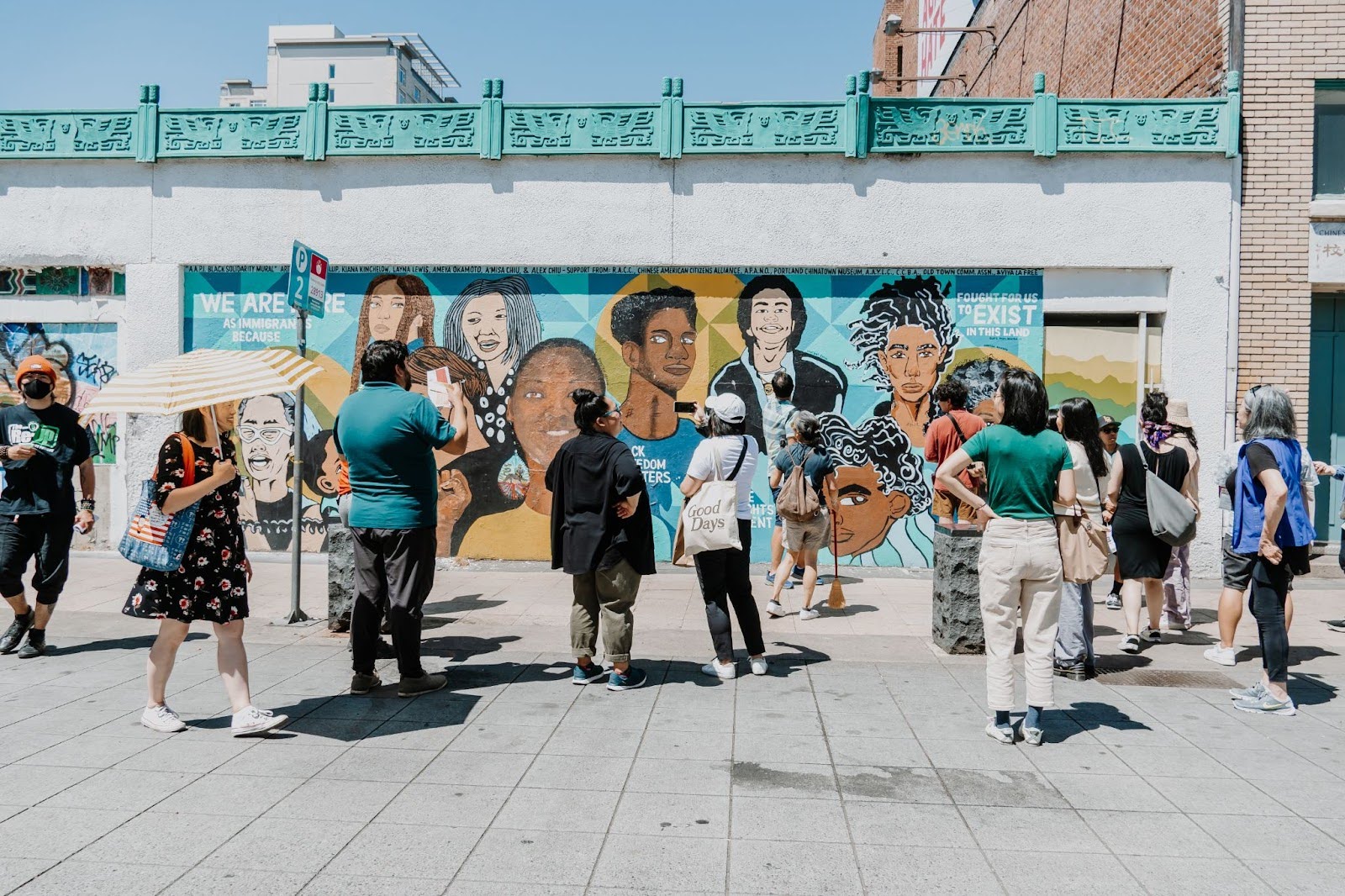
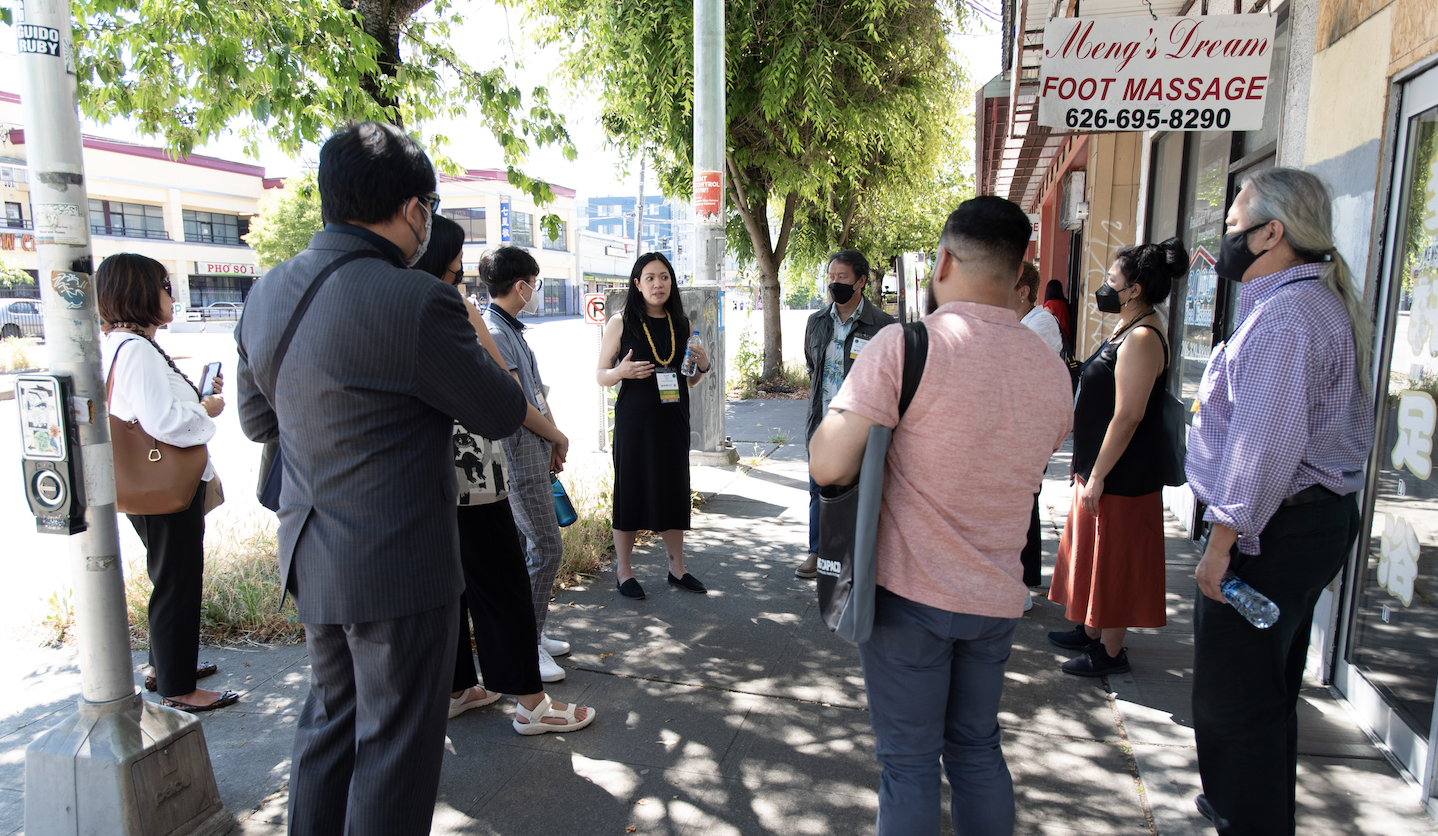
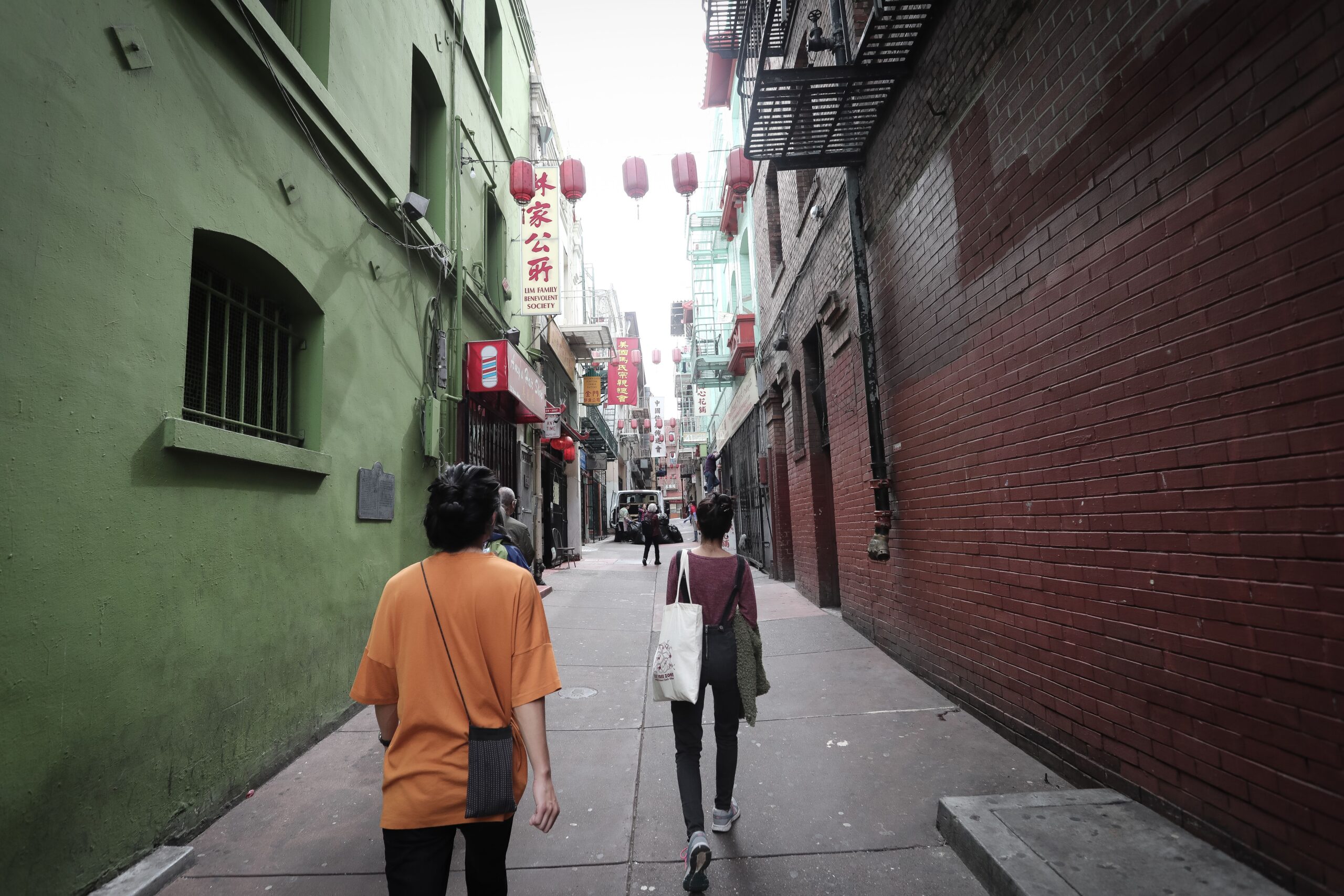
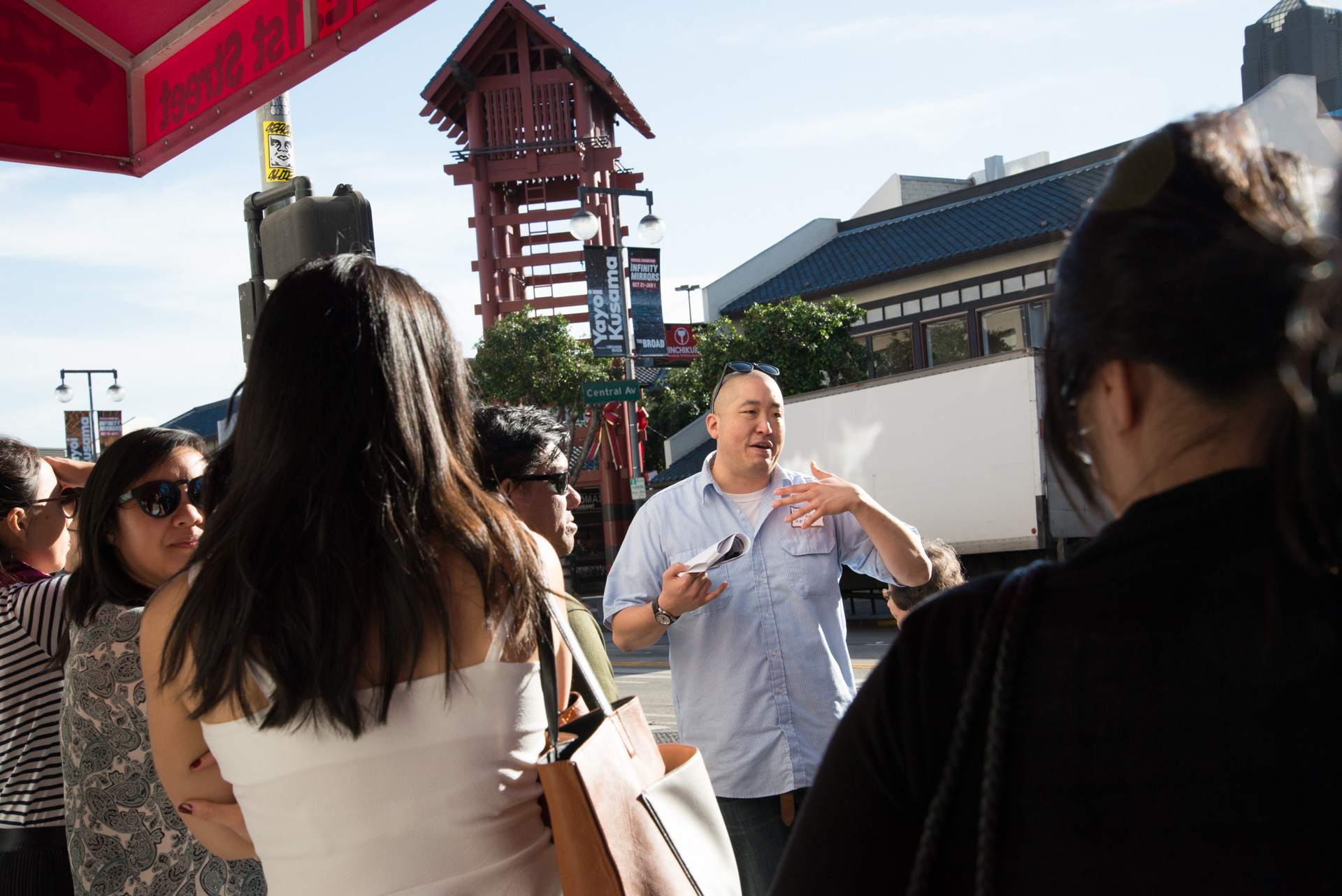
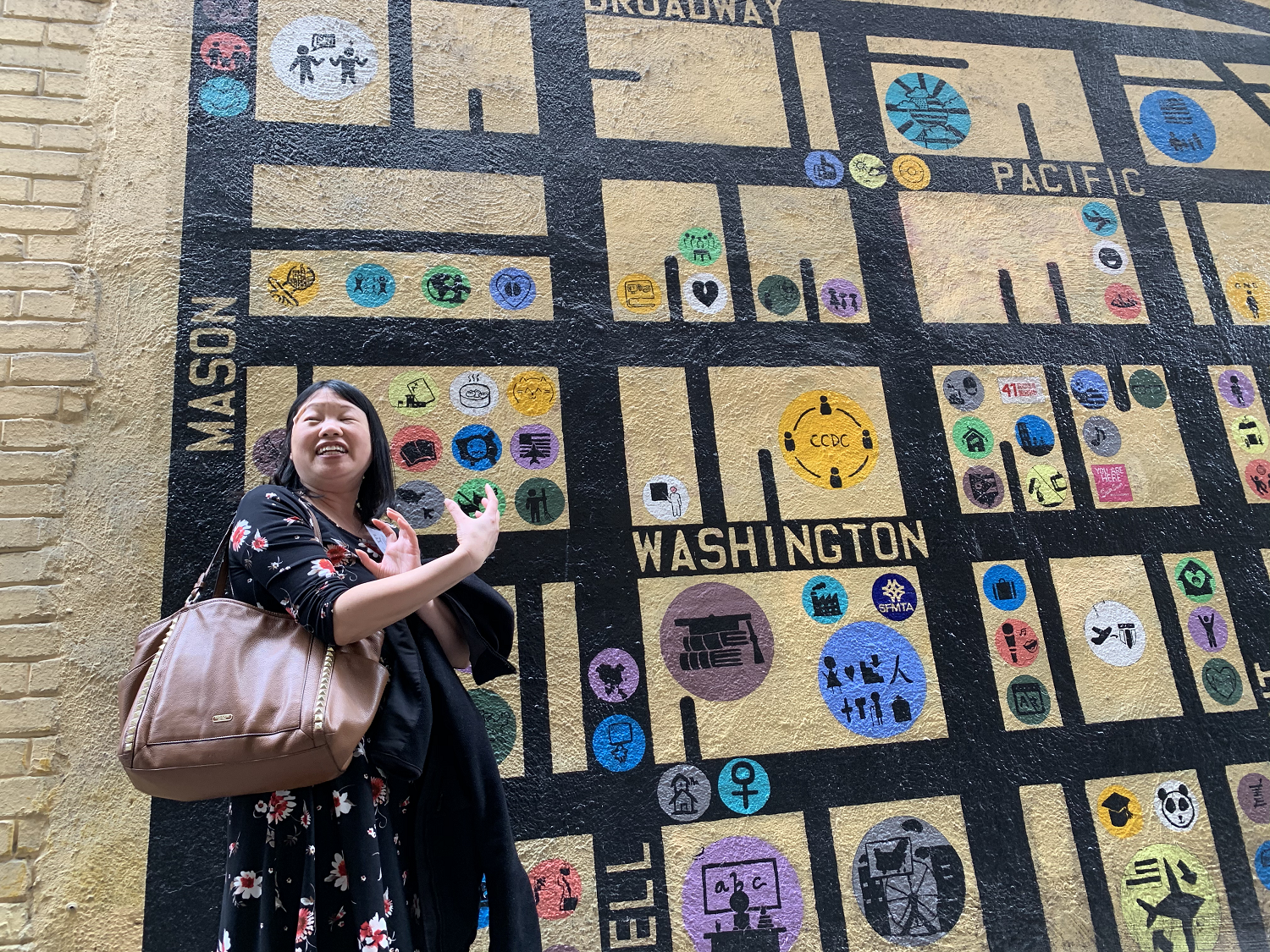
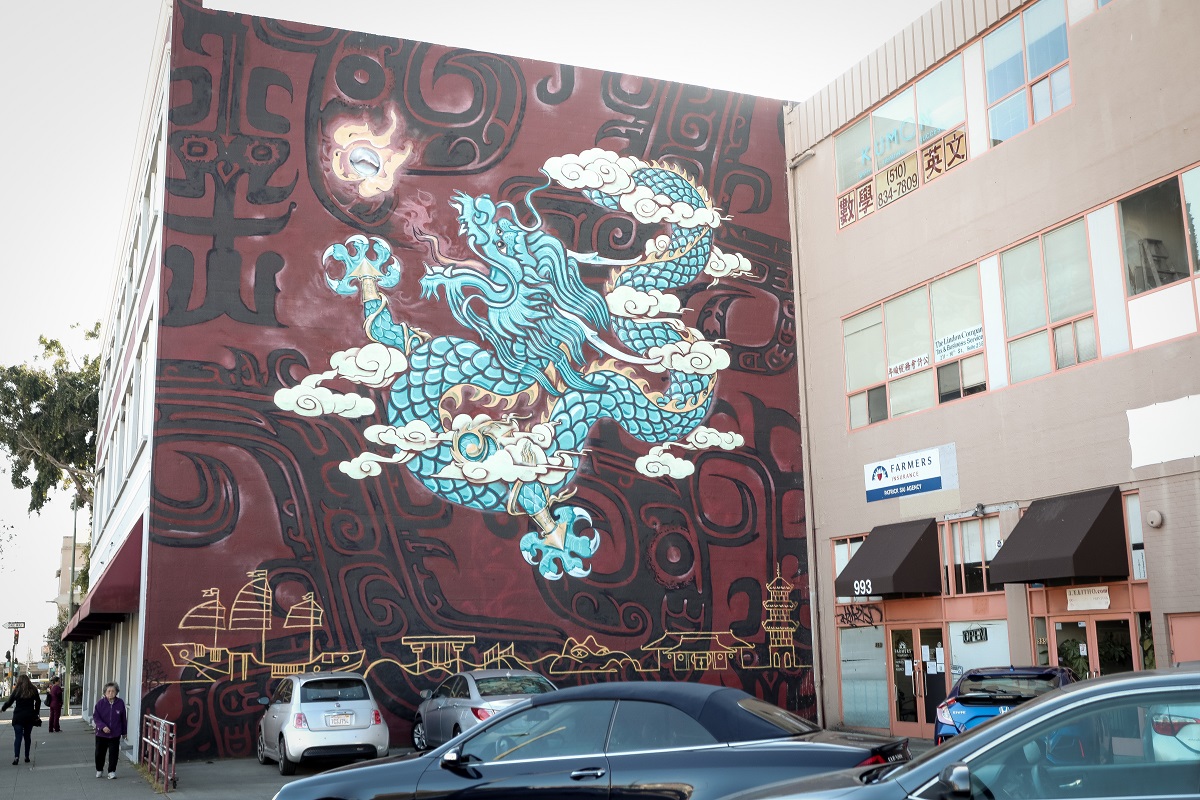
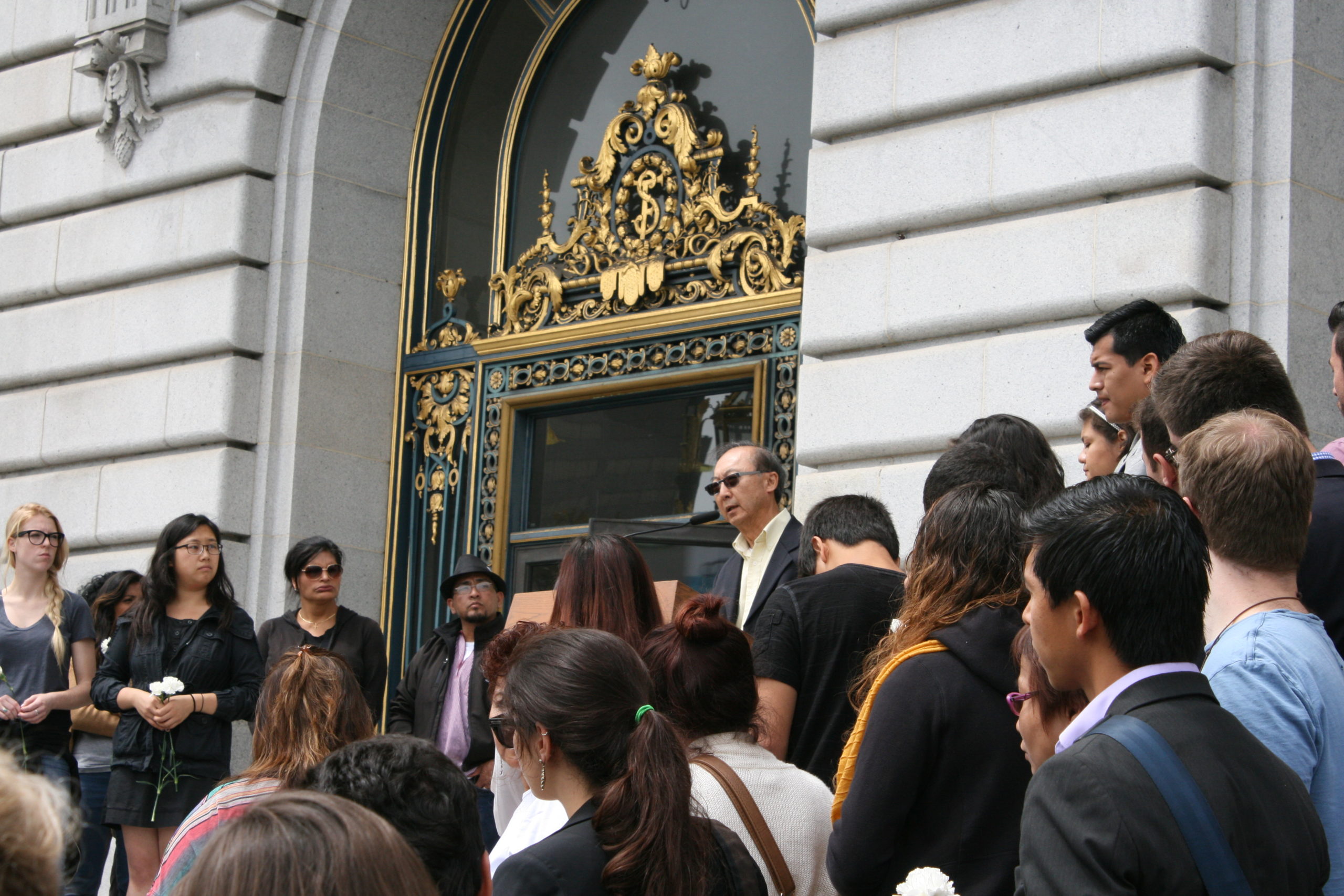
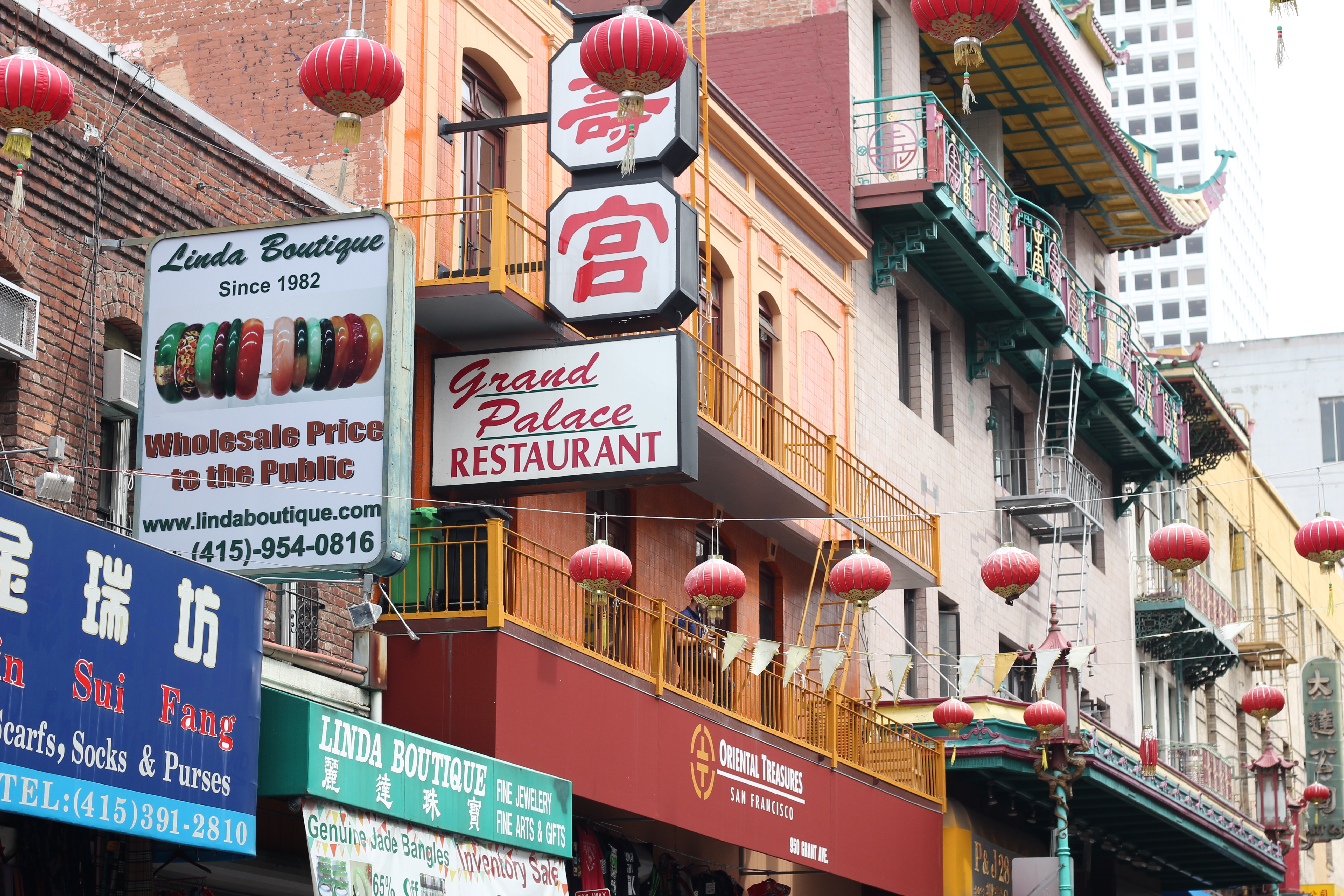
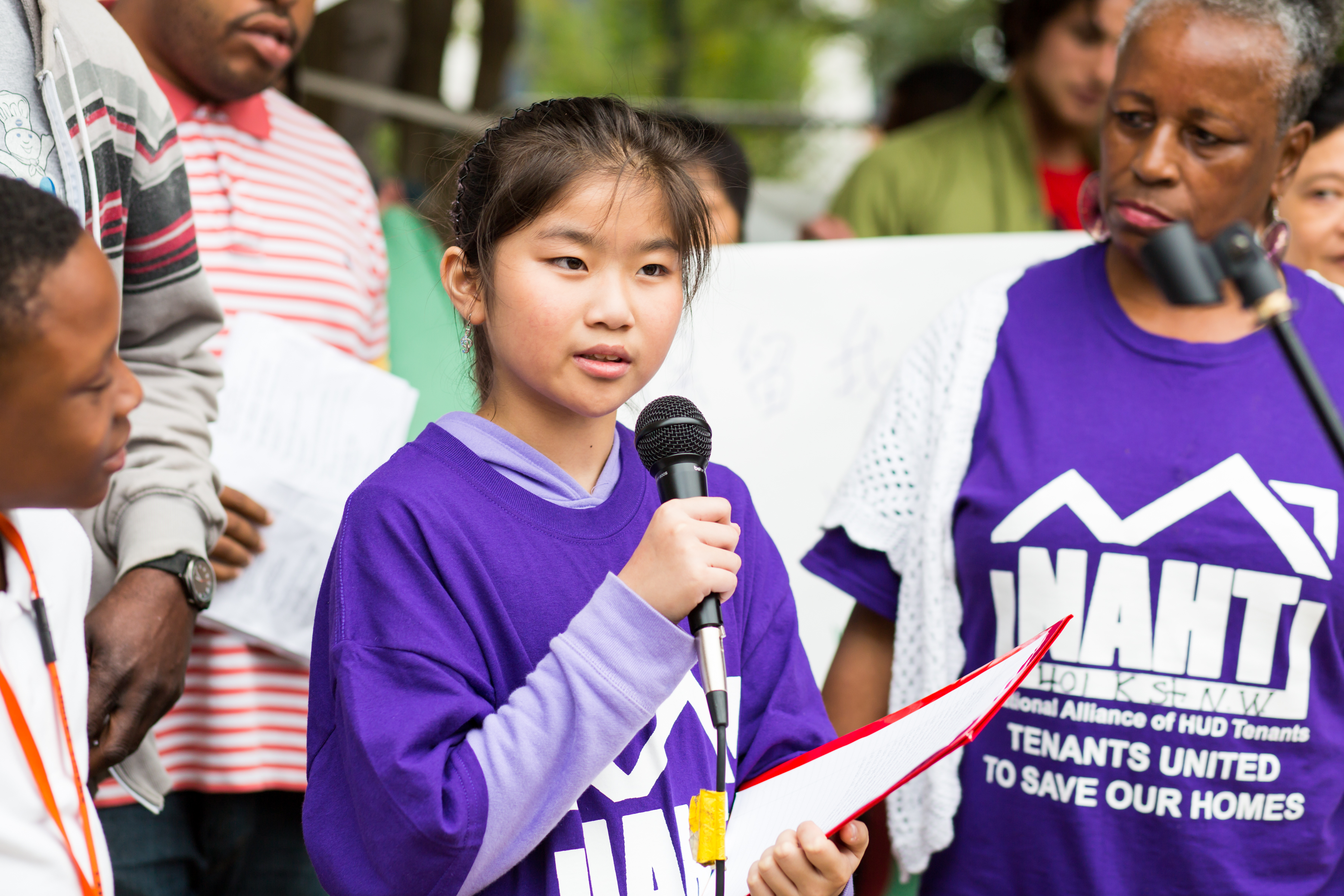
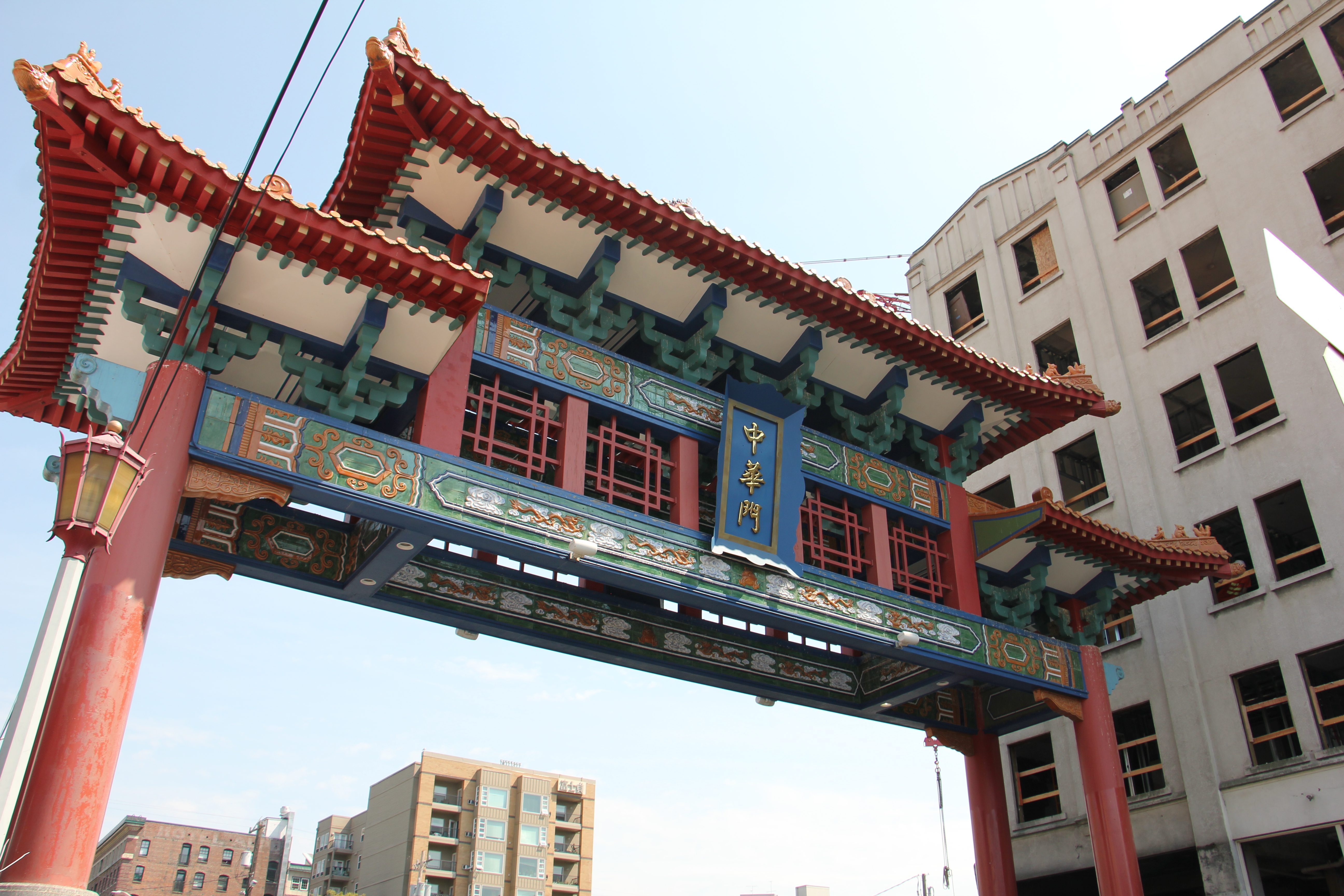
To answer that question, I’d recommend that anyone who visits San Francisco take a tour of our Chinatown. But don’t get sucked into just any tour. Take the tour run by the Adopt an Alleyway (AAA) Youth Program. Sure, the youth who run the tour will tell and point you to the typical tourist stuff –like how Chinatown was the first concentration of Asian Americans in America, was run by historic family associations who ran the community for over a century, and houses the distinctly “Chinese” looking architecture that emerged after the 1906 earthquake as a way of “saving” the community for the Chinese.
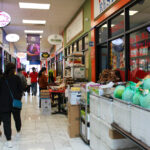
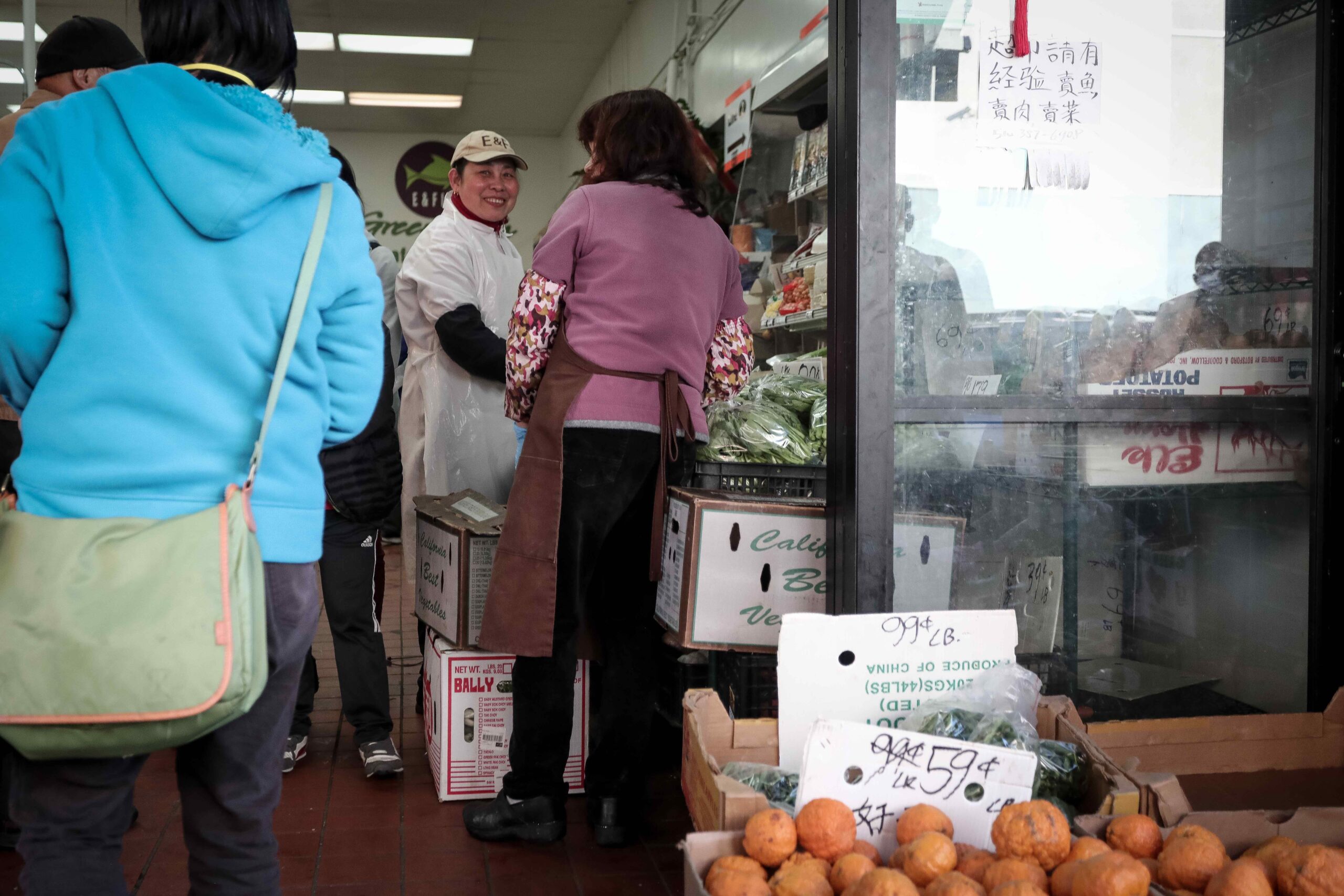
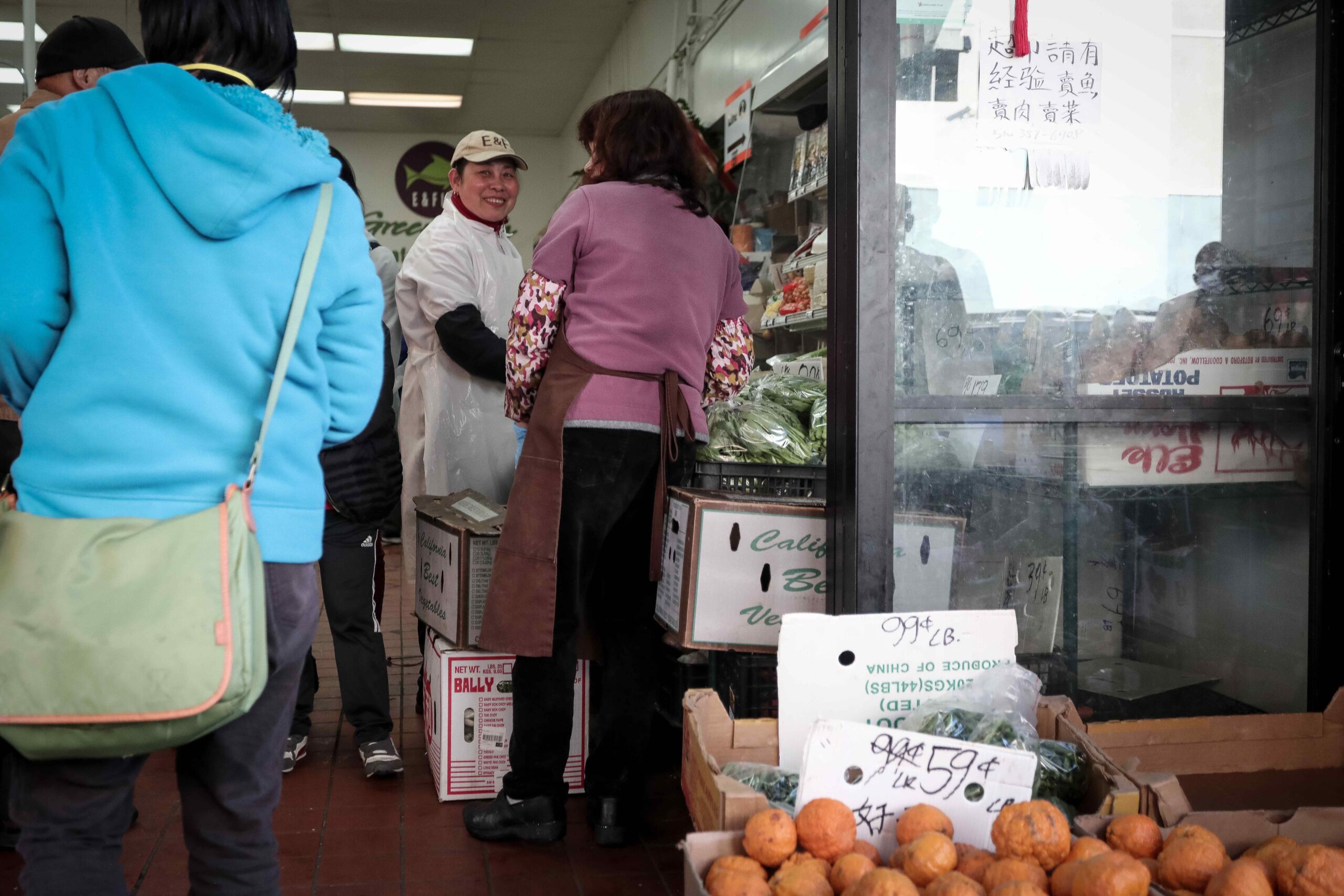
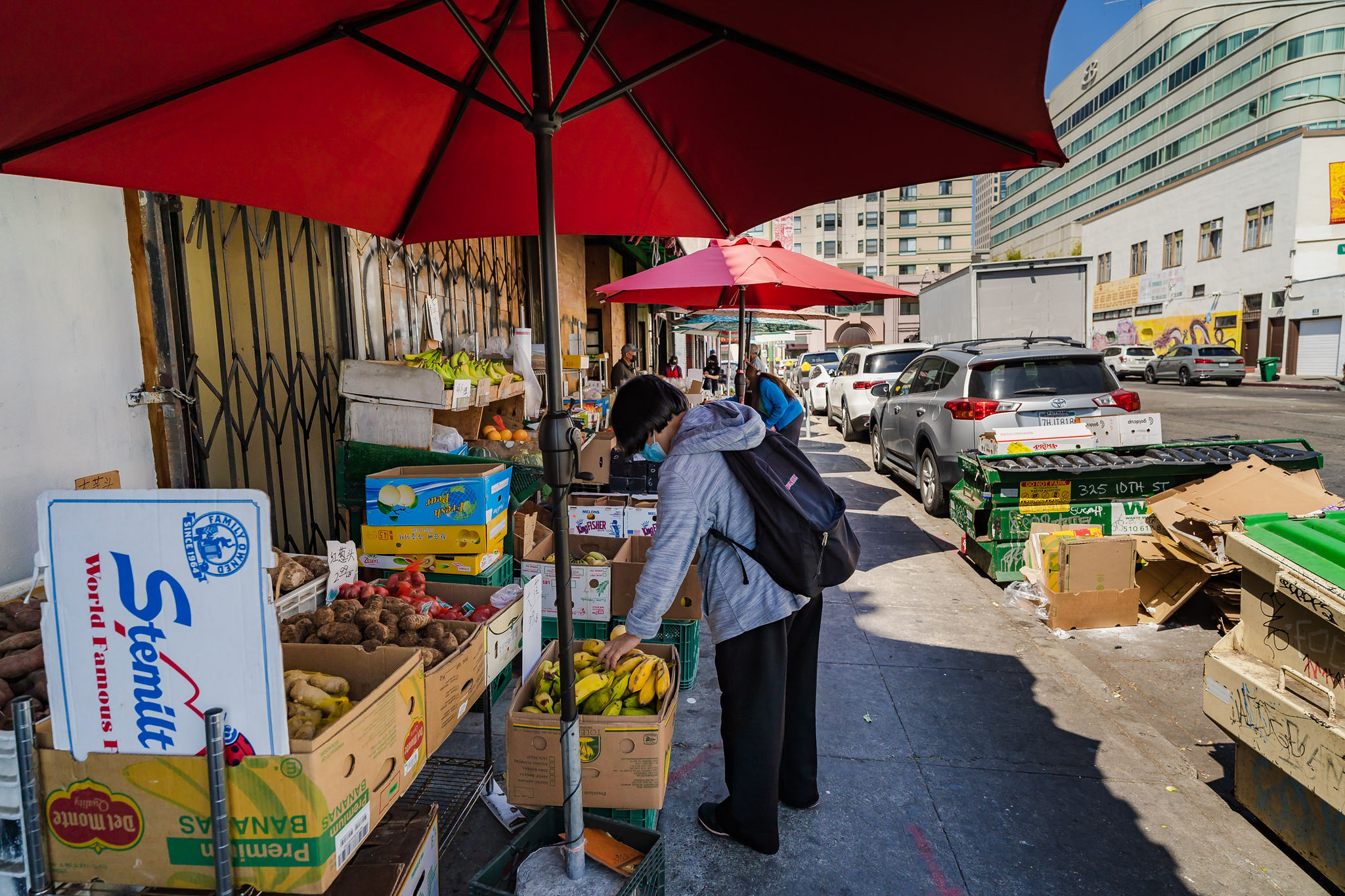
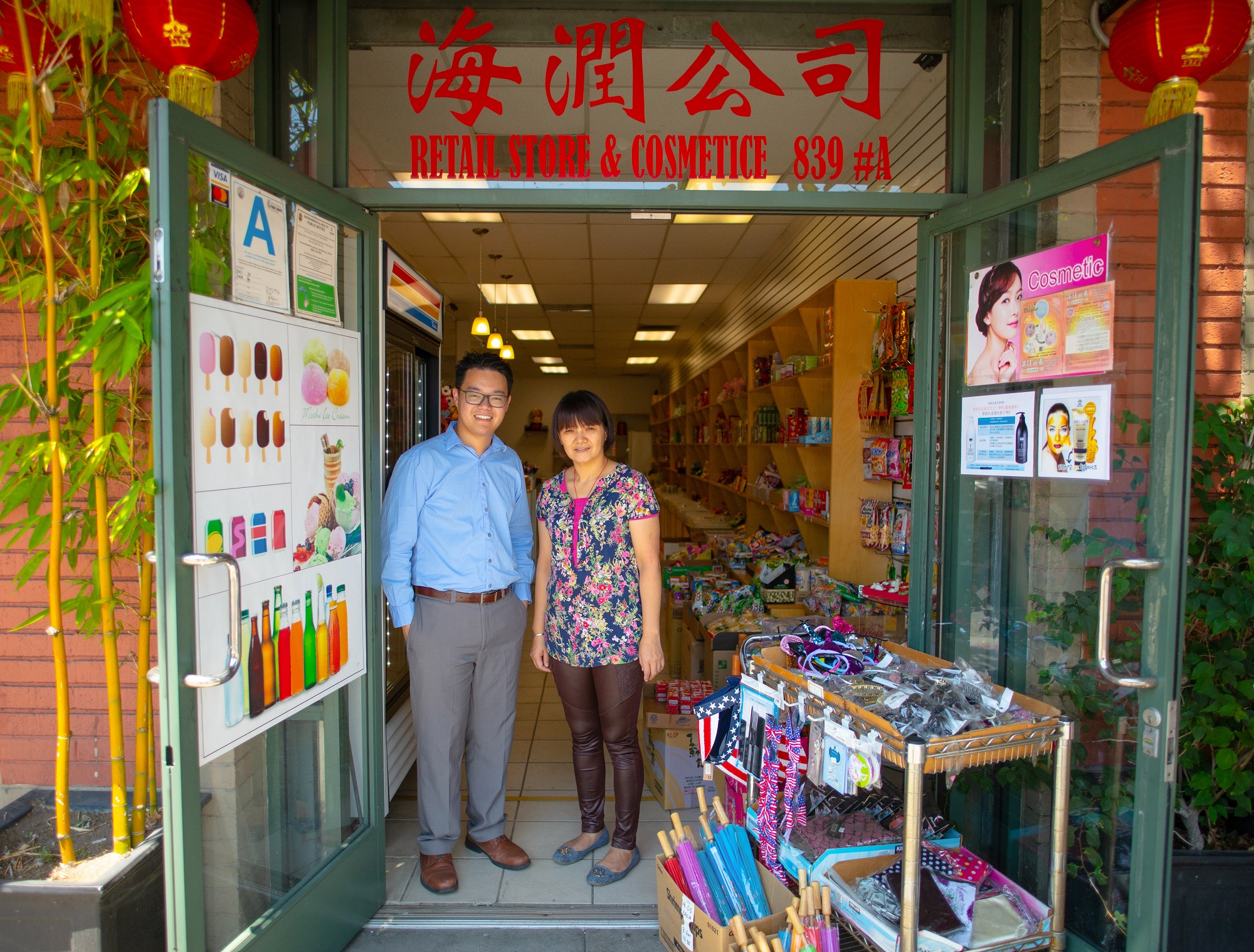
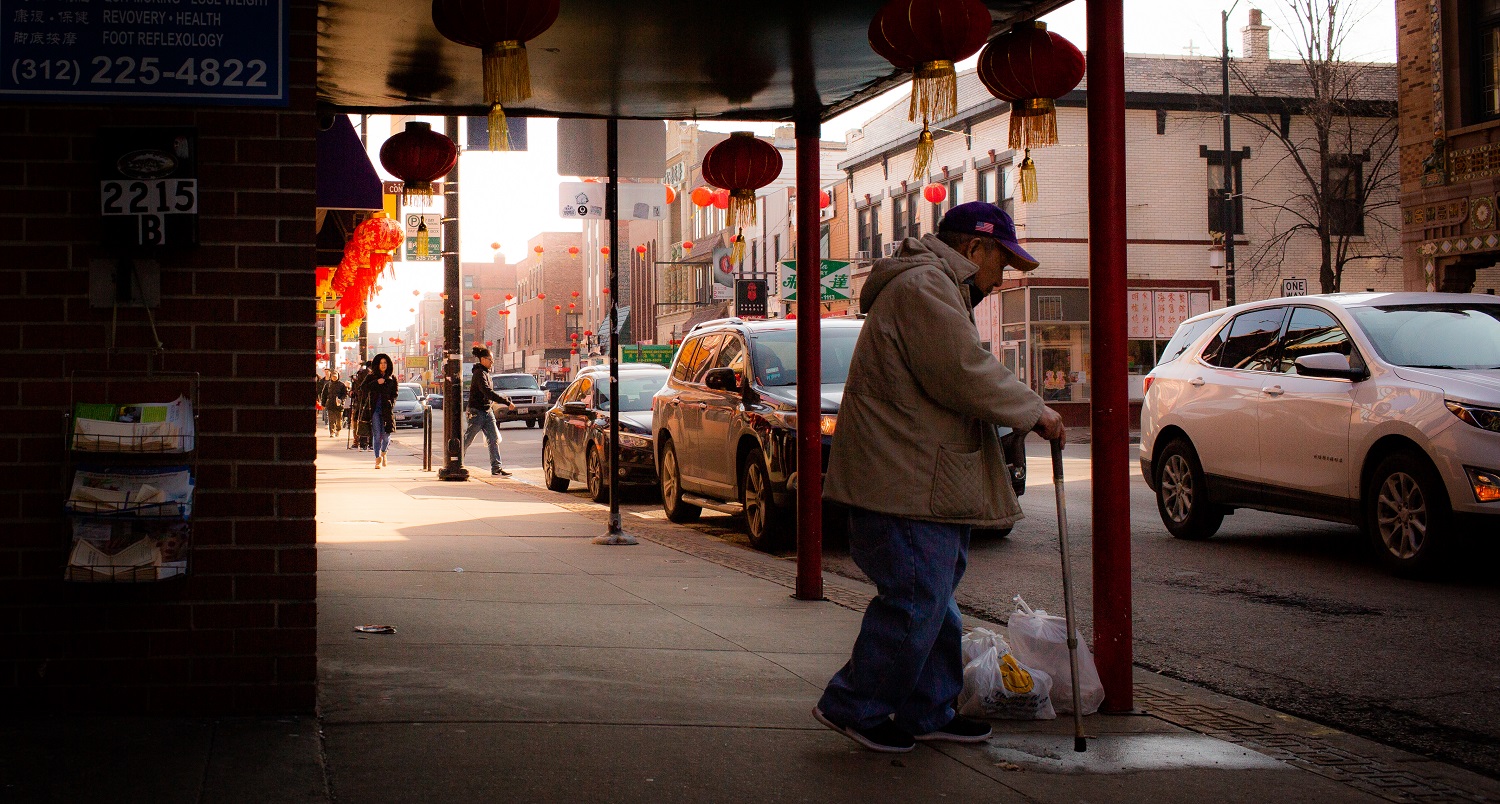
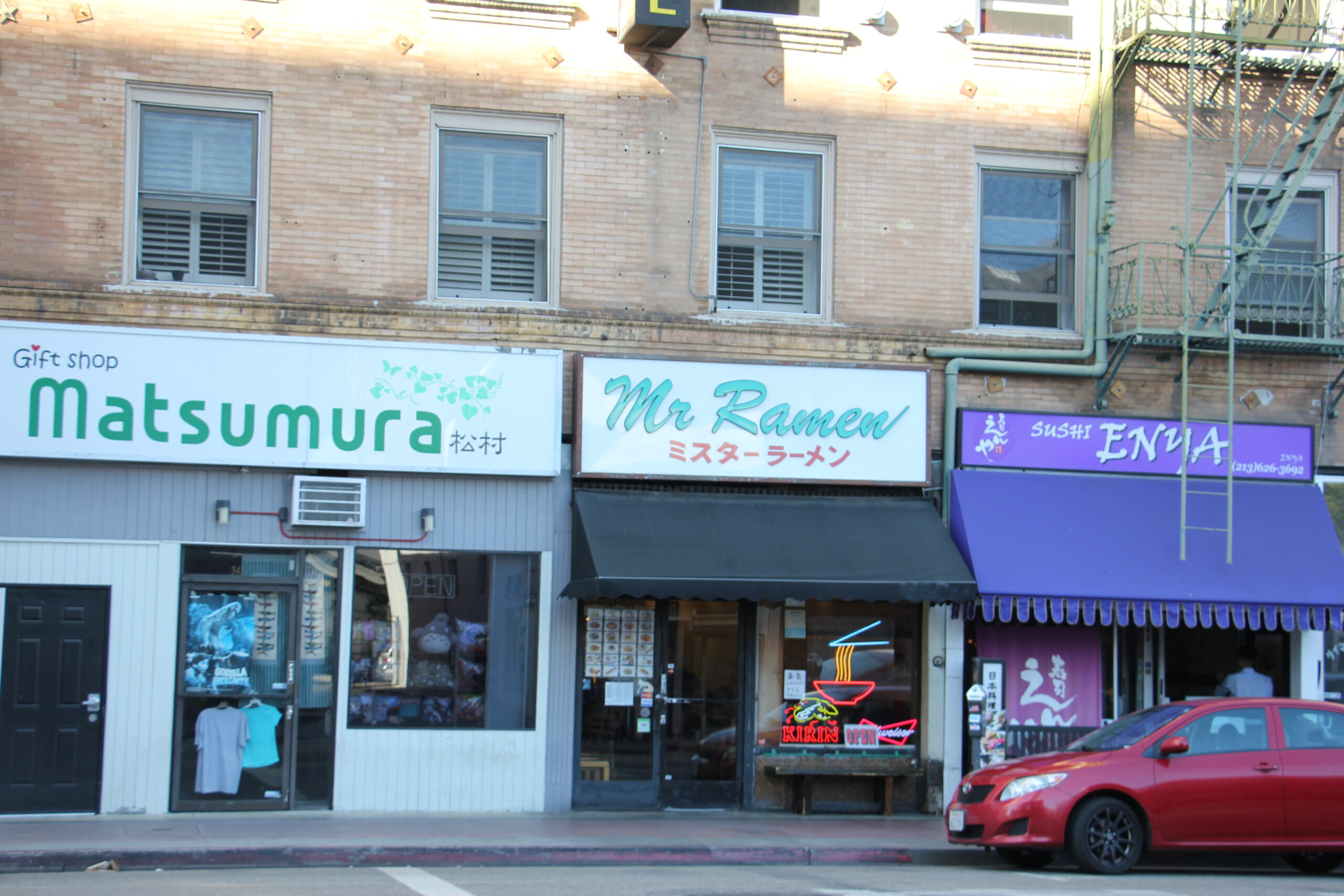
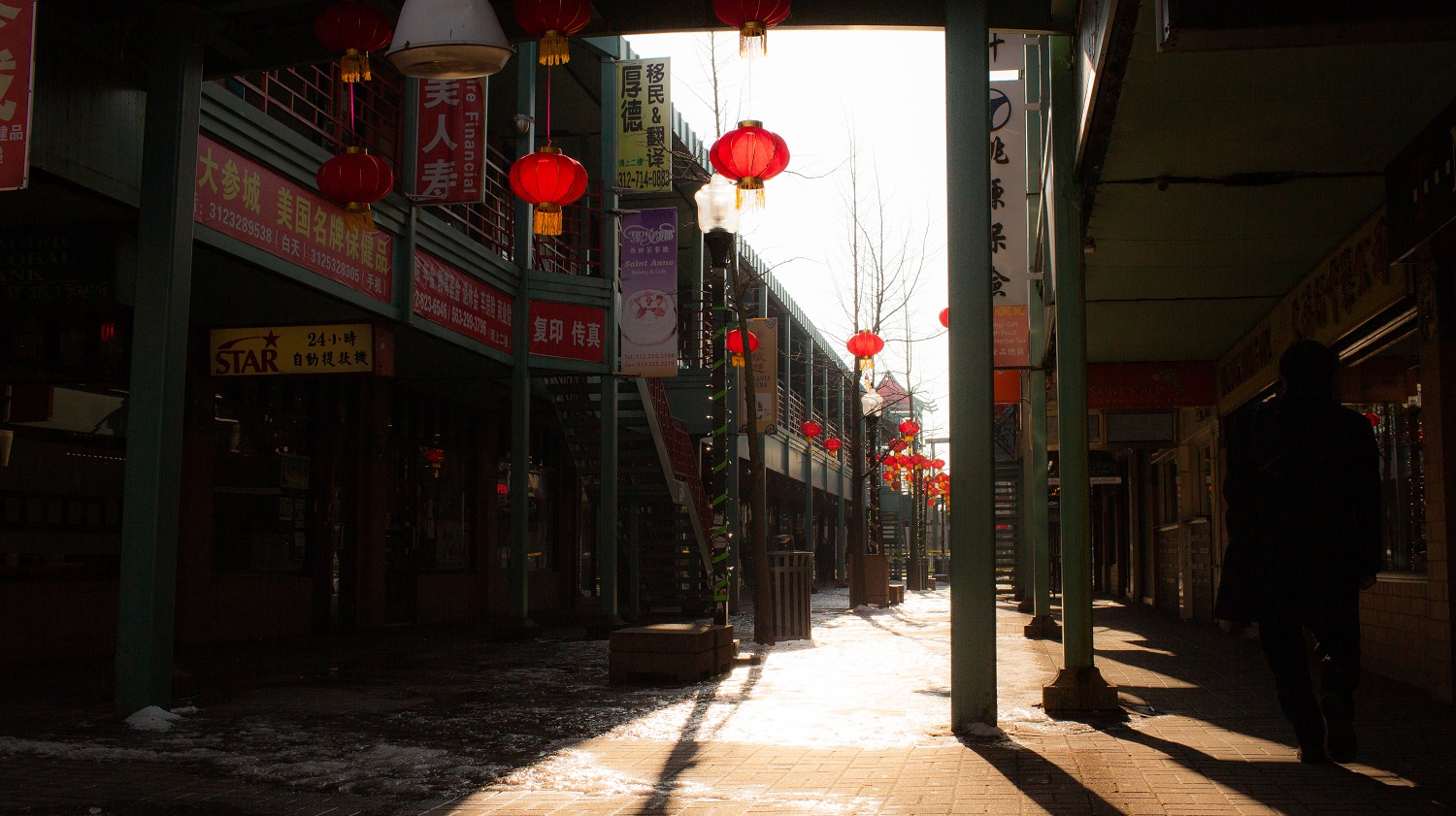
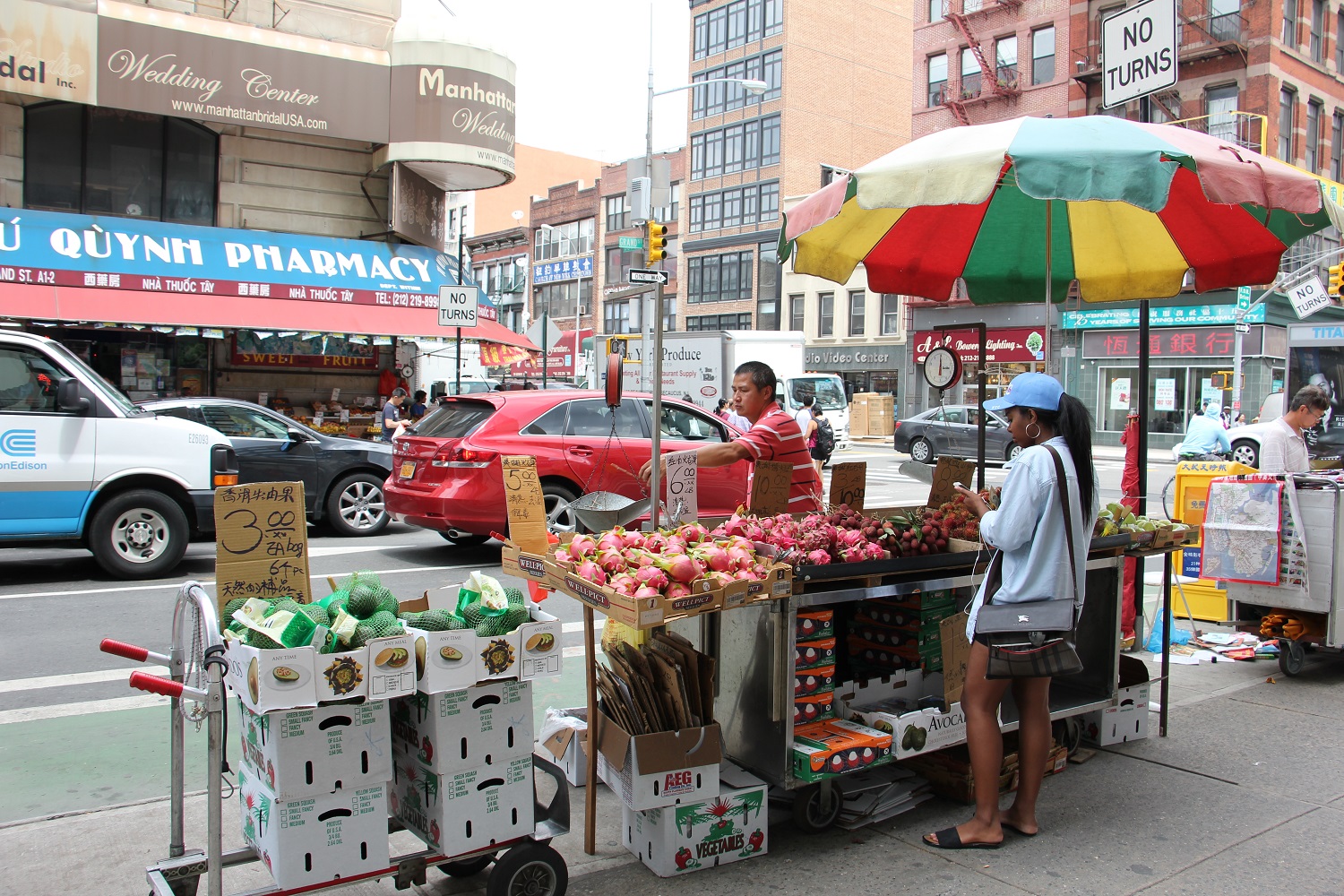
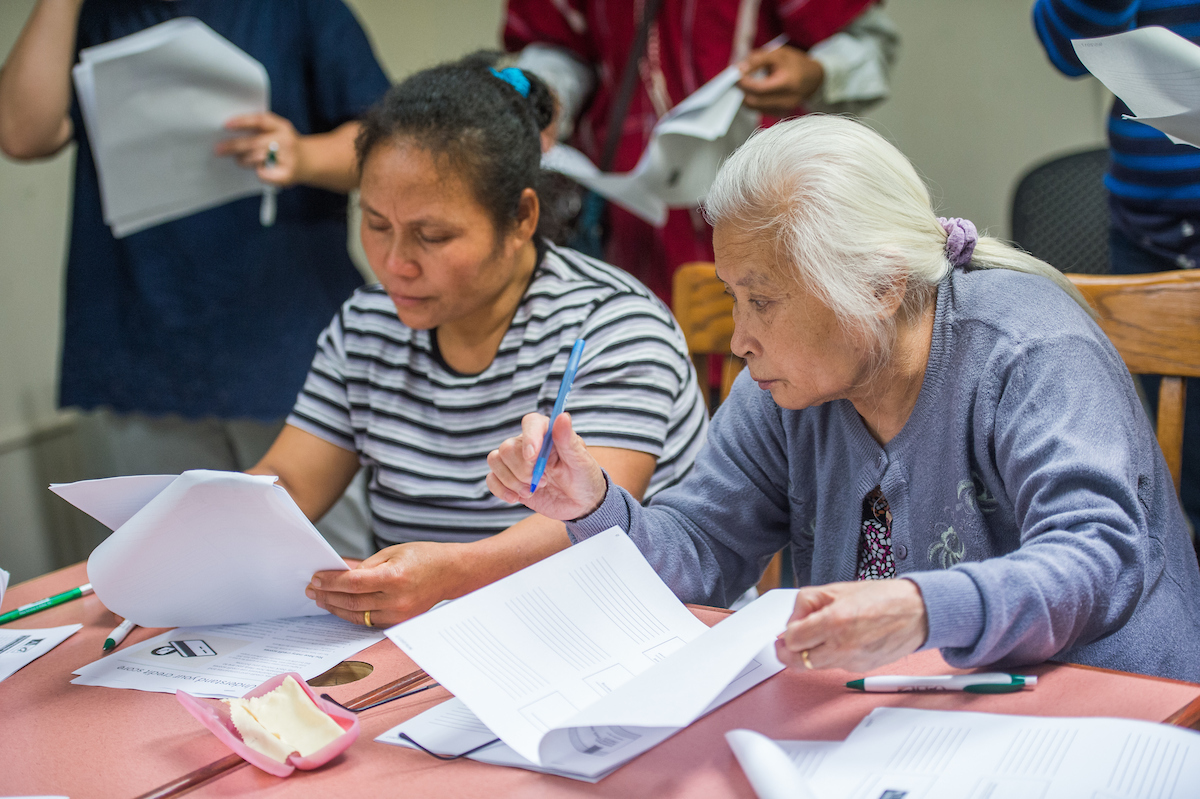
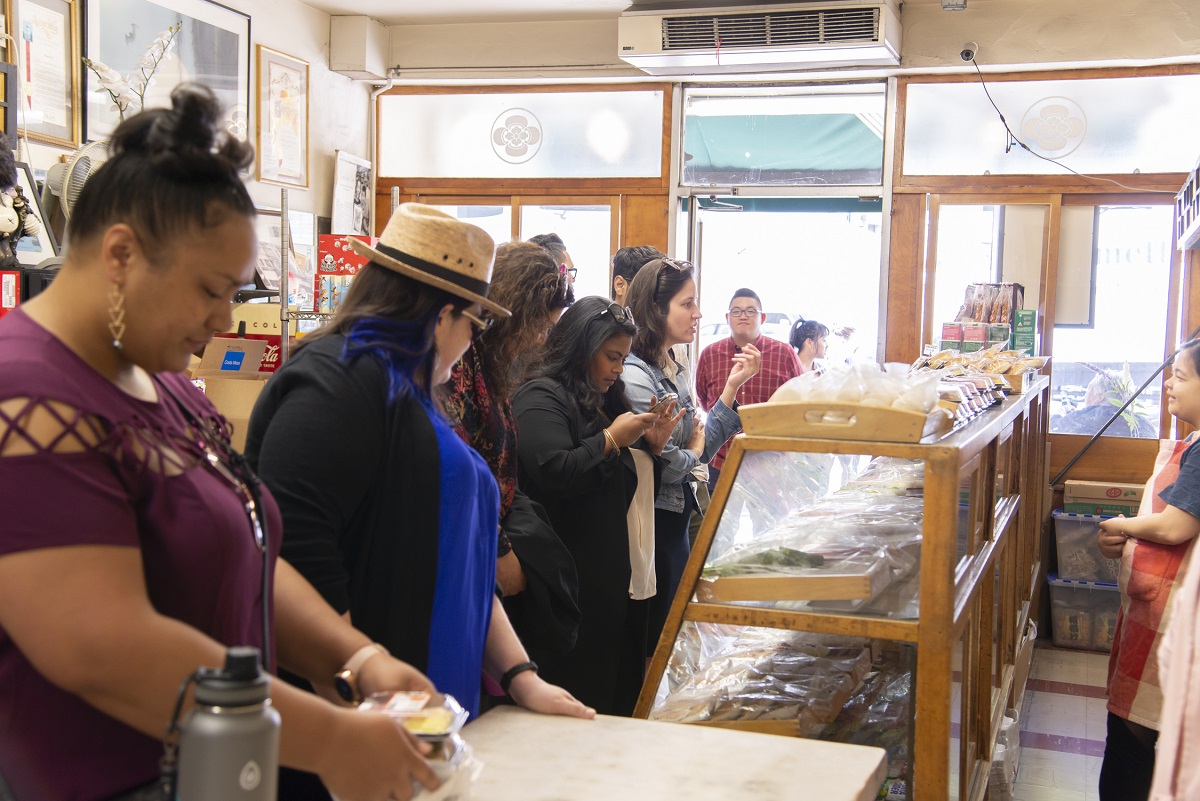
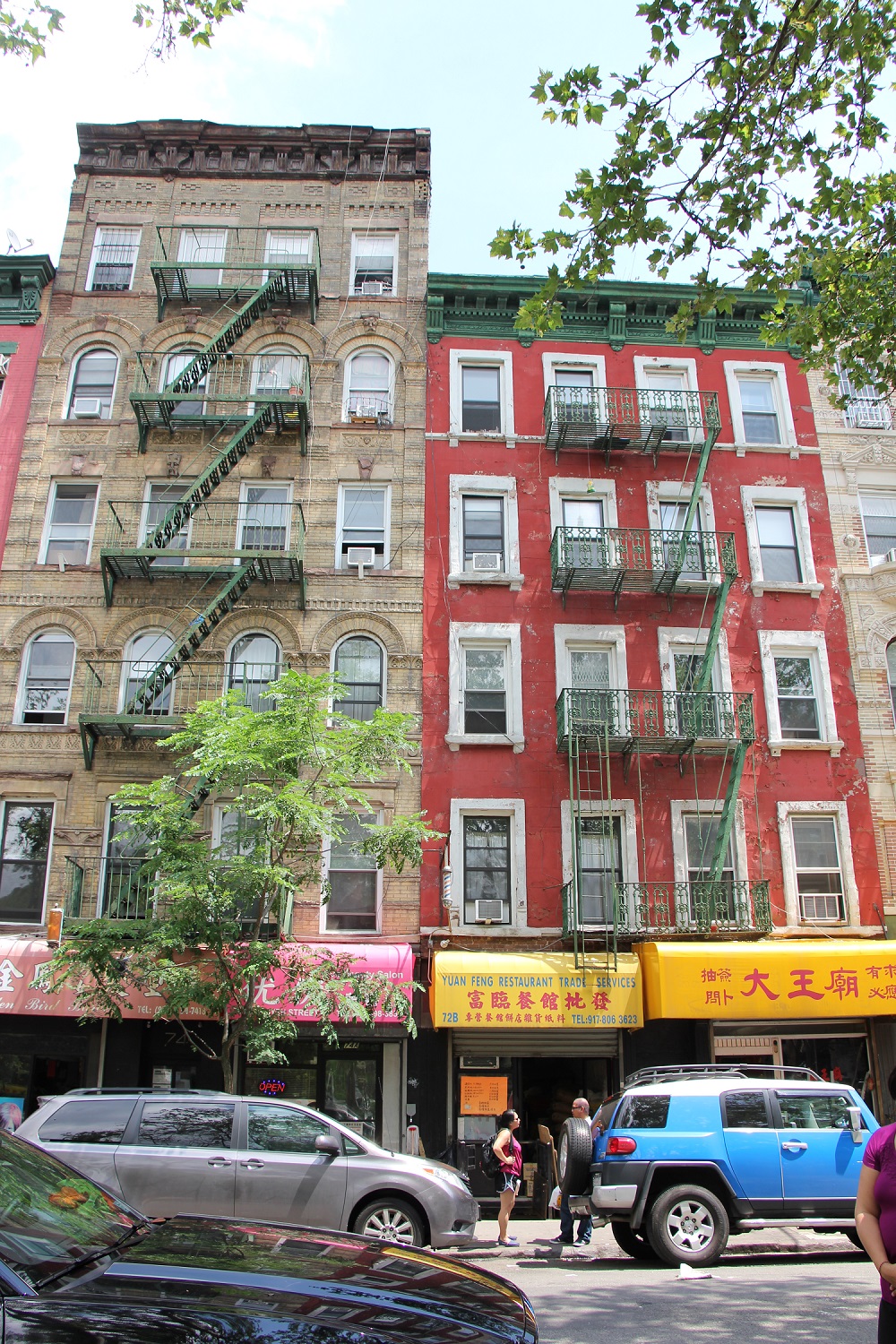
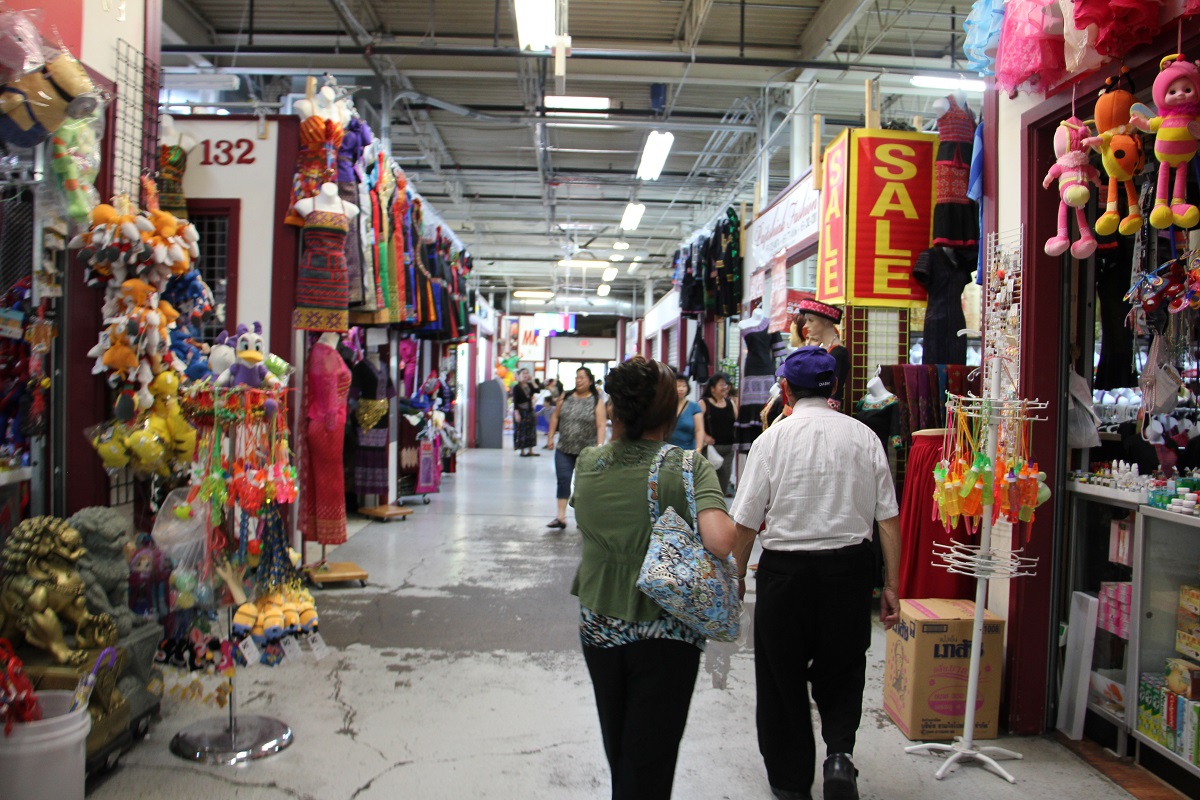
But, if you want to learn a little more, peer behind the veil constructed by the tourist industry, they’ll answer questions about a community that is far more than a historic relic. They’ll point you to a living, breathing, evolving community that serves thousands of low-income immigrants, a community that houses seniors and families, a community that is a literal gateway for newer arrivals trying to get their footing. They can point you to a community that contains the City’s largest stock of affordable housing units – in the form of single room occupancy “SRO” hotels that are, all too frequently, occupied by entire families, a community that is so dense, that alleyways often serve as the best source of open space for children to play in, and a community that is one of the few places that monolingual immigrants can find in-language and culturally appropriate health care, social services, and jobs.
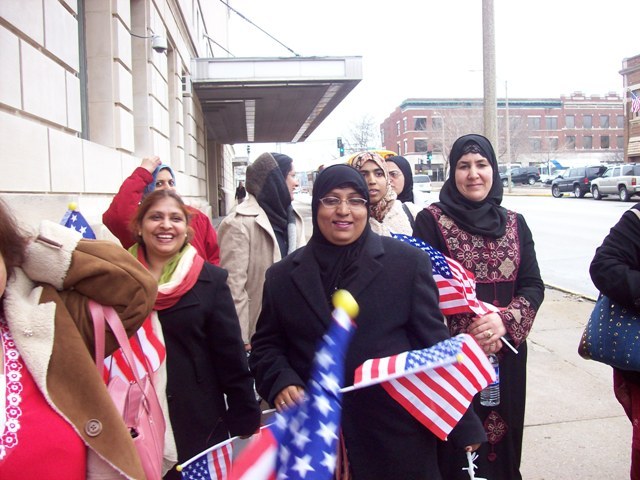
The fact is, San Francisco Chinatown lies at the center of Chinese American life, and not only for the low-income immigrants who choose to live there. Chinatown is also the historic and I’d argue present “capital” of Chinese America in the Bay Area (and we’d like to think beyond . . .). Its impact extends beyond San Francisco as its many “emigrants” frequently return “home” for a dose of “soul food,” Church and temple, Chinese school for kids, and lion-dancing lessons. Chinatown is also a locus of political power, a literal base from which Chinese Americans can organize a “base” to hold local, state, and even national politicians accountable to the needs of this specific community and, sometimes, even the broader needs of “Chinese America.”
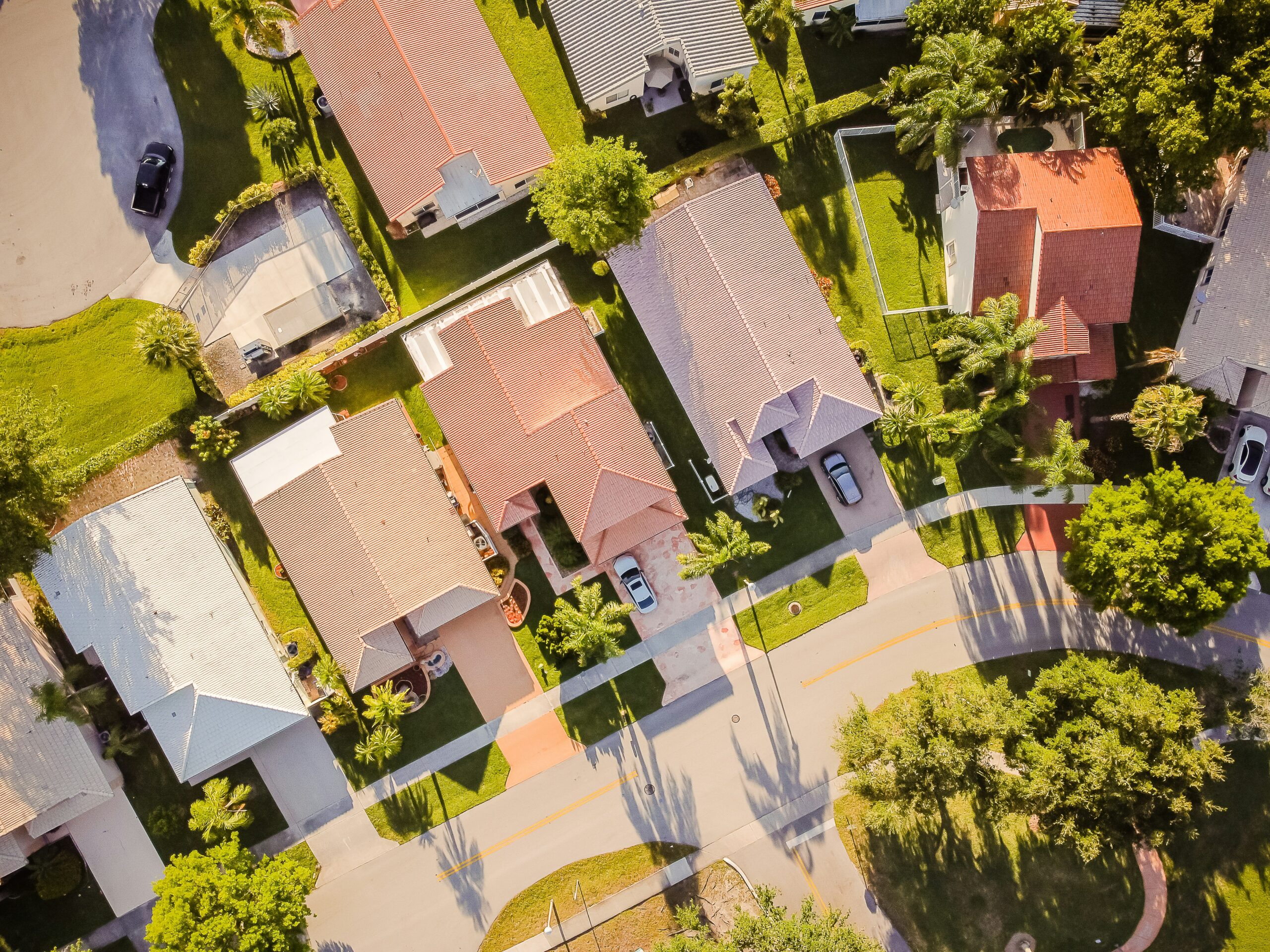
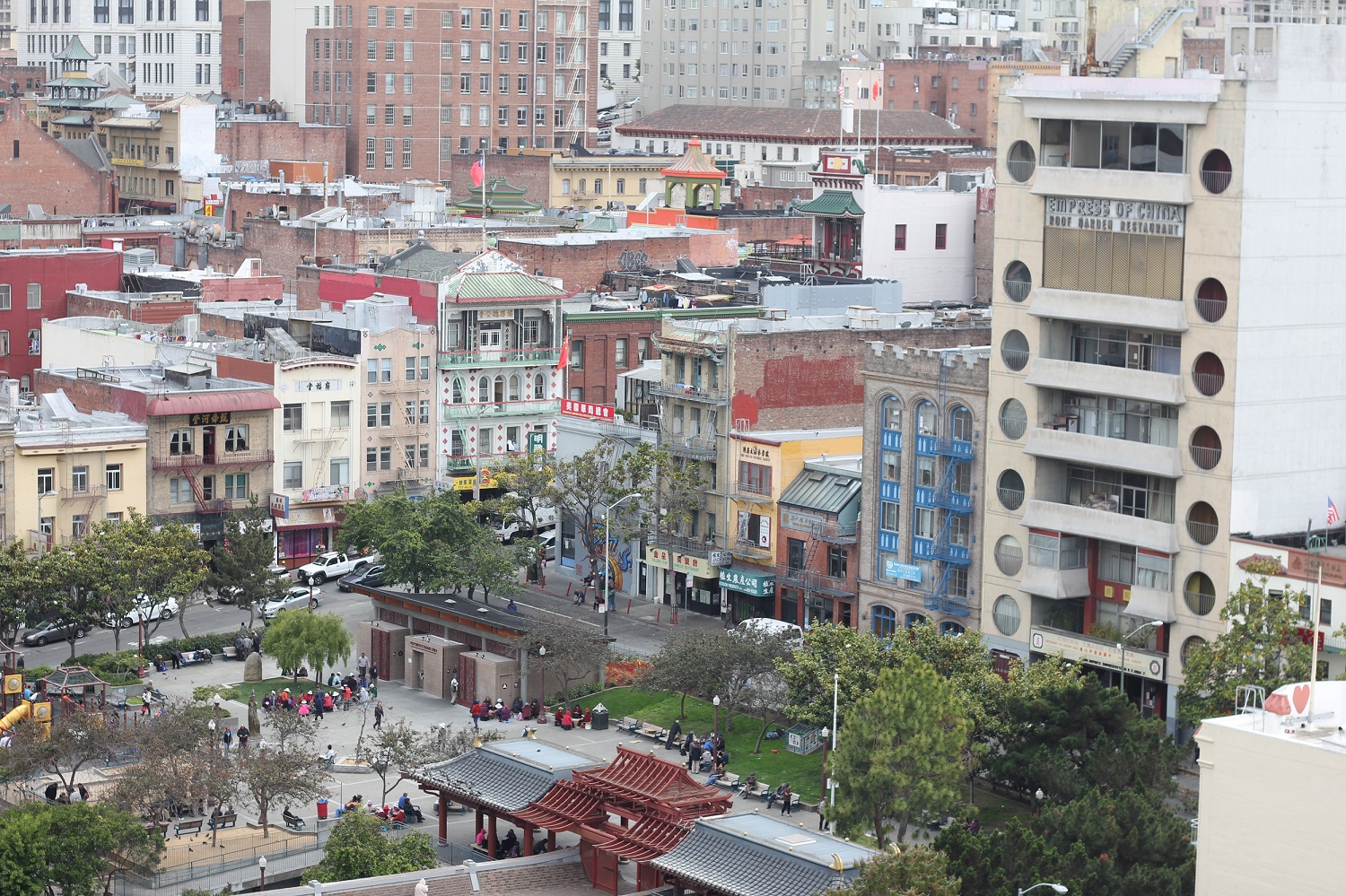
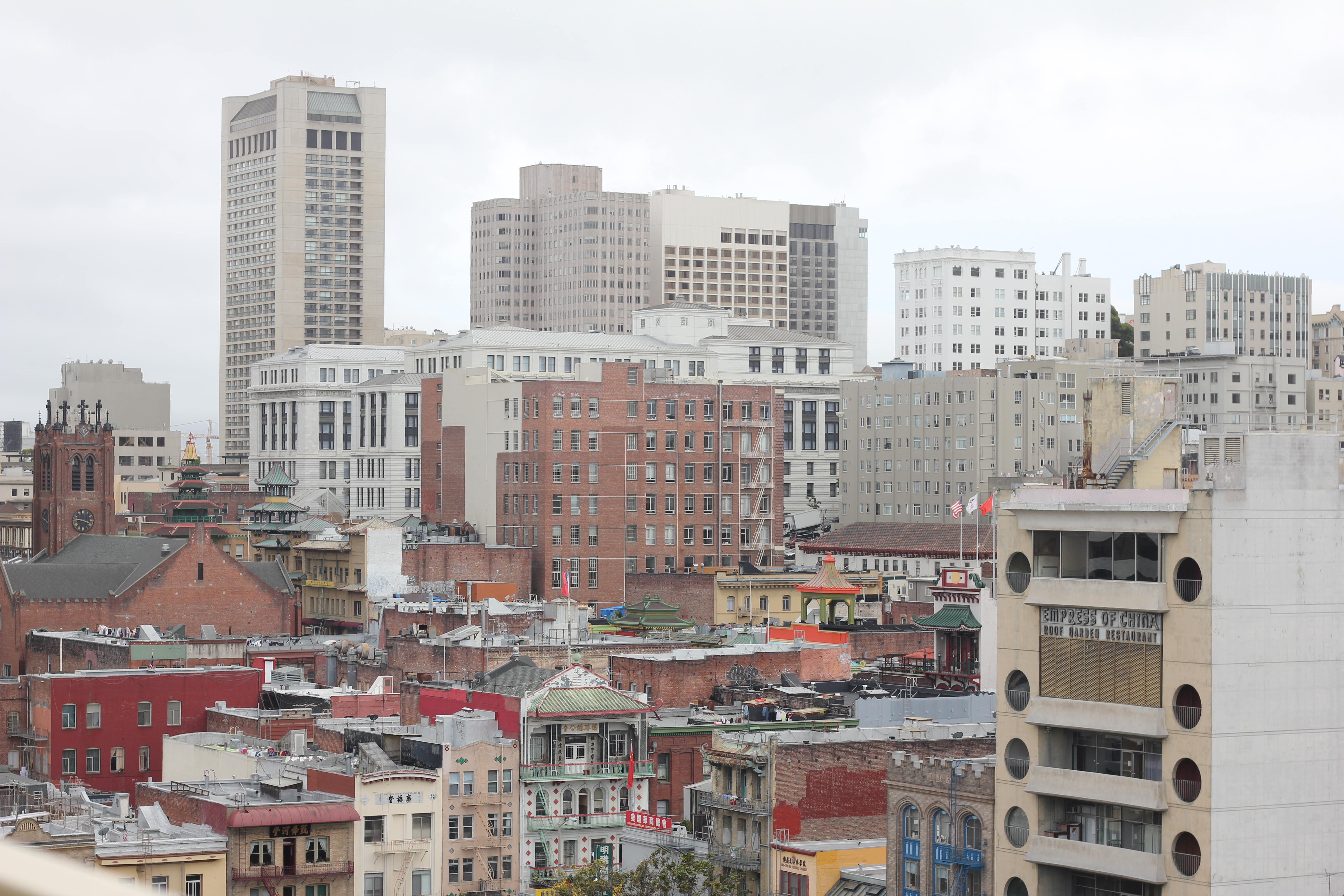
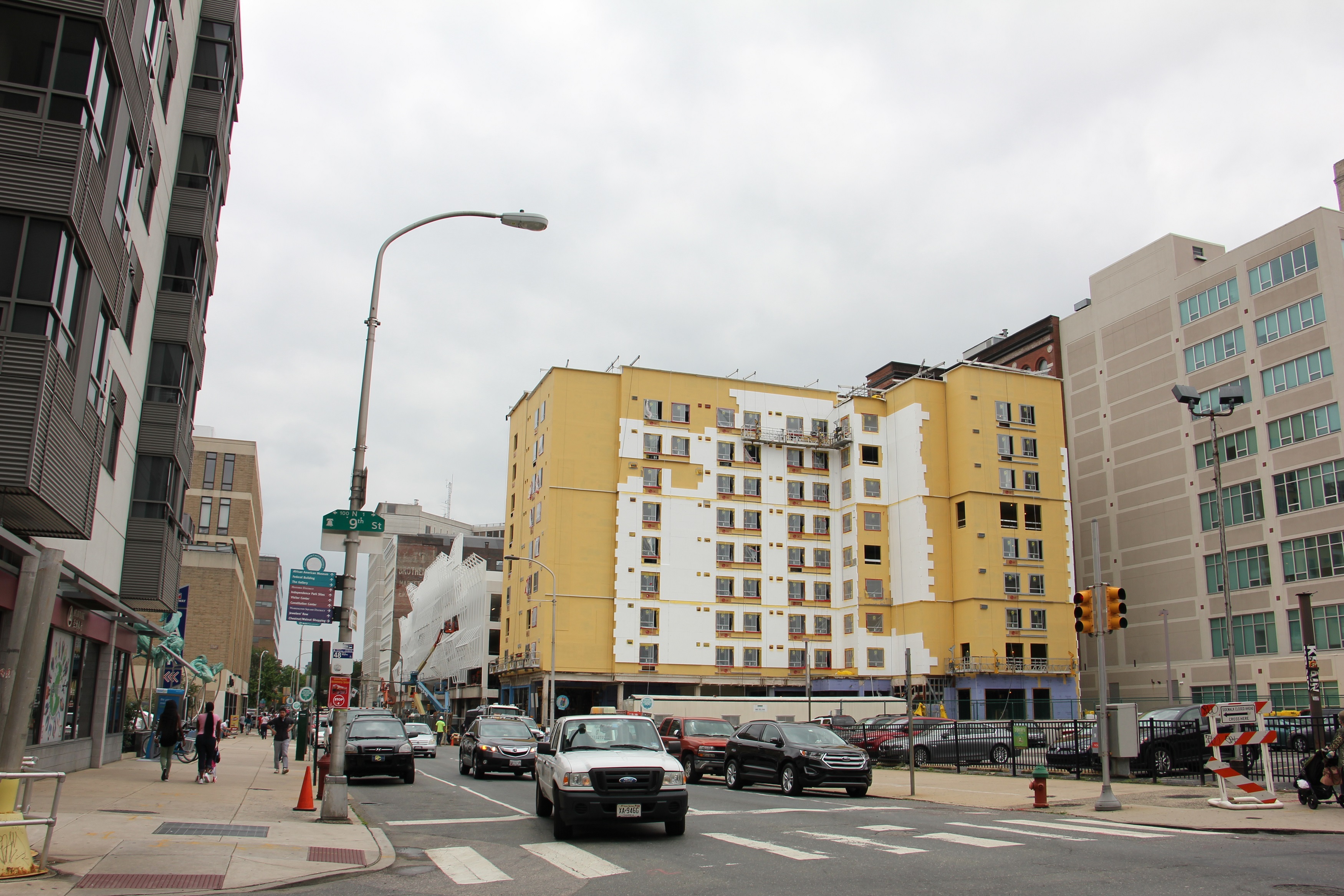
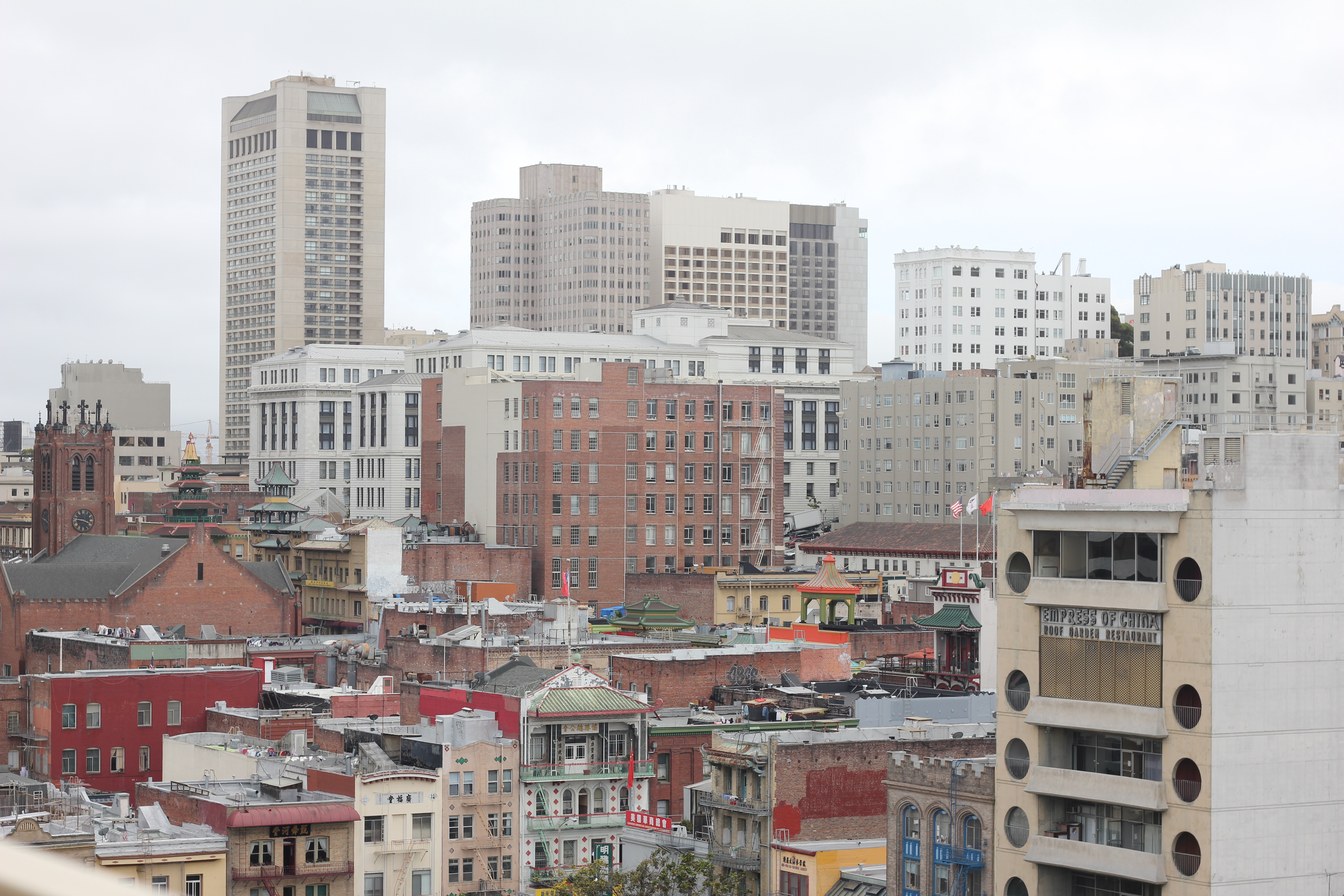
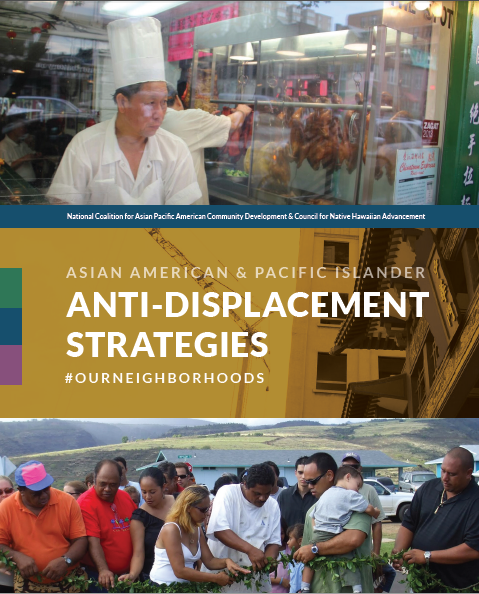
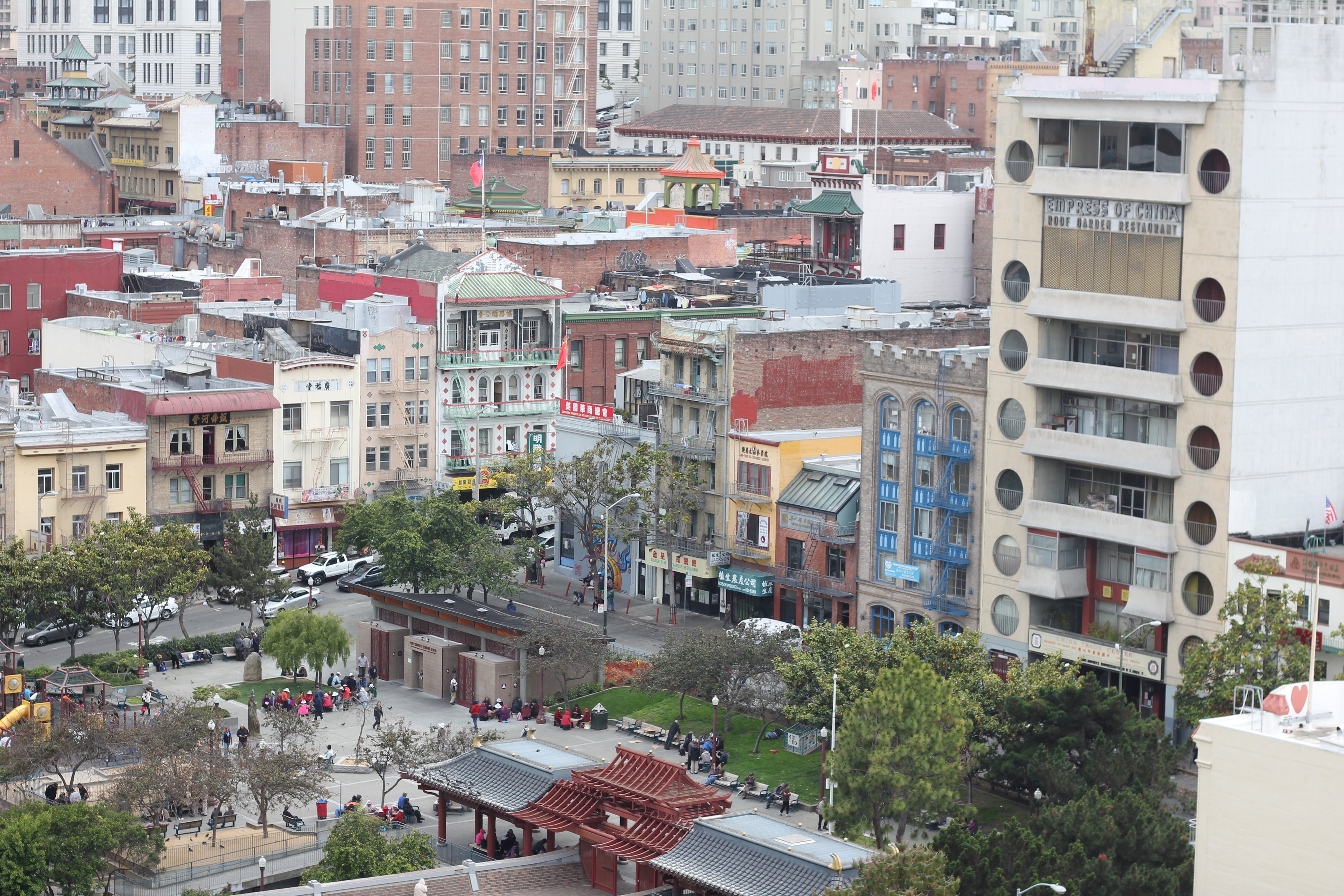
But Chinatown is also an anomaly in the physical landscape of San Francisco and under constant threat. Viewed from on high, it is a literal hole in the landscape – a depression of low-rise, historic “looking” buildings surrounded by modern office skyscrapers, luxury condo high-rises, and high rent flats that dot the bordering hills. As it turns out, Chinatown lays right smack dab in the middle of some of this country’s most expensive real estate. Real estate speculators salivate over the “potential” earning power of Chinatown and fervently believe that the underlying land is too valuable for its existing community based use. They dream of “flipping” its SRO hotels and transforming them into high-rise towers reminiscent of Shanghai or Hong Kong. Under this constant pressure, the preservation and strengthening of Chinatown (and places like it) have been and must continue to be an intentional, concerted act.
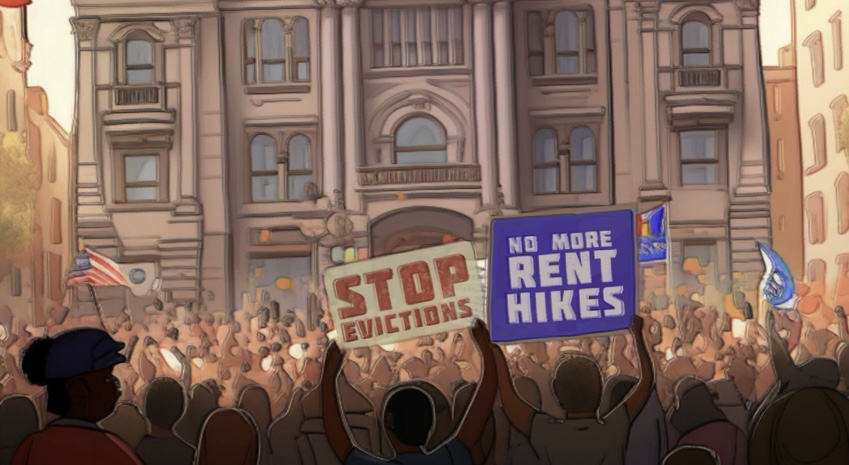
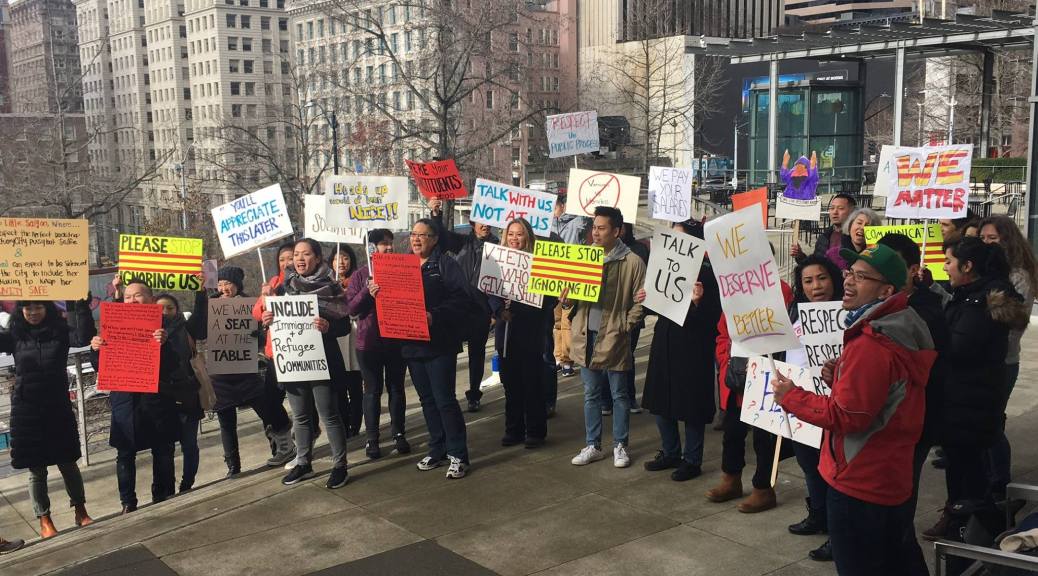
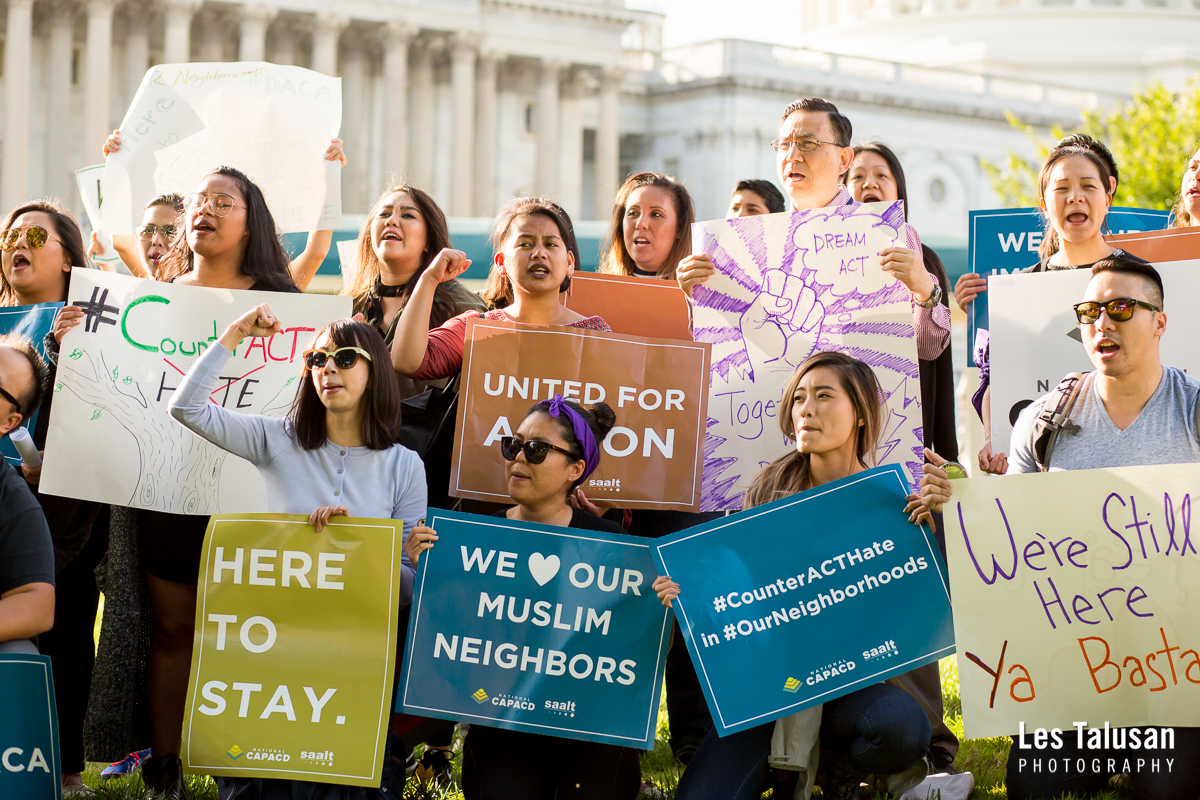
Spaces like Chinatown would not exist if it were left solely up to the market (even in these ailing economic times). For Chinatown and ethnic gateways like it to continue to exist, for it to continue to serve low-income, monolingual immigrants families and seniors, and for it to serve as the locus of the cultural and political institutions that make up and identify Chinese America – it must be fought for, struggled over, defended, and expanded. In moments of opportunity, this can be done proactively by implementing community wide “area plans” like San Francisco’s 1986 Chinatown Rezoning effort (that is largely responsible for the present physical geography of the neighborhood). At other times, it must be defended through “street level” activities like protests and eviction defense on a block by block, building by building, unit by unit, and brick by brick basis. In the coming weeks and months, I’m hoping to write more about these local struggles that, I believe, have broader regional, state, and national implications. And that, is why I am a Chinatown activist.

March 7th, 2009 at 9:16 am
Great blog post! Am working on a research paper on CDCs that serve Chinese/Asian communities! This post could not have come at a better time.
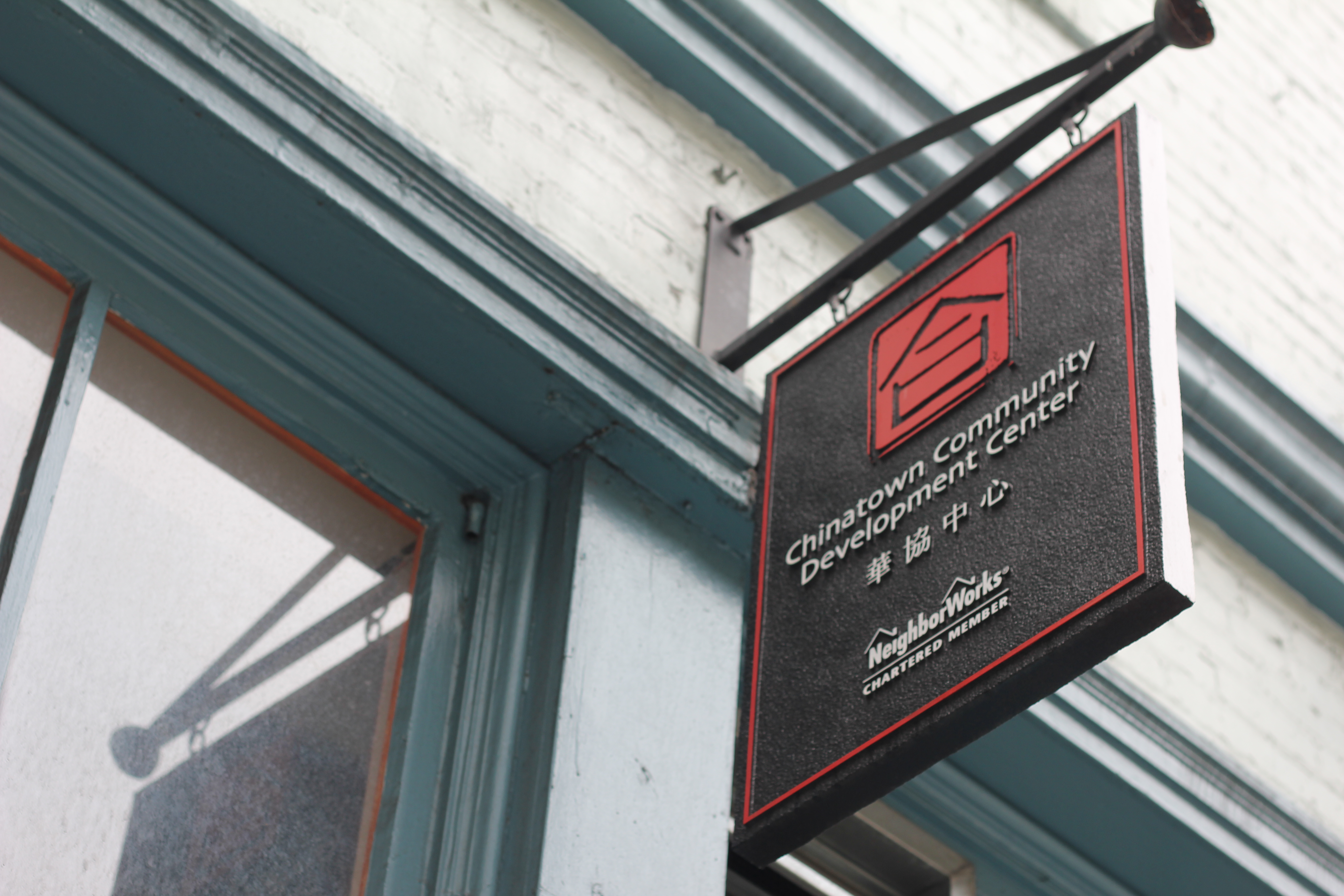
I am wondering if you could provide more information on what you do as a Chinatown activist? Do you work with an org, and if so, which one, and what do you guys do?
Thanks!